Latin American Publications!

165 readers
62 users here now

A community for Latin American publications.

NOTE: All the publications in this feed are Latin American in origin; that does not mean they only report on Latin American news.

founded 9 months ago
MODERATORS
76


On July 24, Venezuela commemorated the 243rd anniversary of the birth of Liberator Simón Bolívar. Bolívar was Venezuela’s independence hero who changed the political course of Latin America through his thought and struggle for independence from Spanish colonialism.

Venezuela’s Acting President Delcy Rodríguez published a commemorative message in which she praised Bolívar’s strategic audacity during the liberation campaigns that brought about the independence of Venezuela, Colombia, Ecuador, Peru, Bolivia, and Panama.

“Heirs to his glory and greatness, we commemorate the birth of Liberator Father Simón Bolívar, whose legacy of freedom, unity, and justice continues to guide the course of Venezuela,” she stated. “To honor Bolívar is to keep alive the love and unwavering commitment to a nation that would be increasingly prosperous, united, and socially happy.”

She added that the inclusive vision of the Great Homeland, civil equality, the rule of law, and popular education promoted by Bolívar constitute the moral and constitutional framework of the Bolivarian Republic of Venezuela in the 21st century.

The acting president also honored the Bolivarian National Navy in memory of the heroic Naval Battle of Lake Maracaibo, “a symbol of our independence.”

As part of the commemorative actions, promotions were granted to the personnel of the Presidential Honor Guard (GHP) and the General Directorate of Military Counterintelligence (DGCIM).

This recognition highlighted the merit, discipline, and professionalism of the personnel who were part of the assistance and support deployments for the families affected by the June 24 double earthquake.

In her capacity as commander-in-chief of the Bolivarian National Armed Force (FANB), Rodríguez expressed her pride in the armed forces, noting that the institution, “born of the people, is dedicated to serve the people, and always remains by the side of the Venezuelans.”

Massive Support Rallies Mark Venezuelan President Maduro’s 200th Day Kidnapped

A legacy of historical significance
Born on July 24, 1783, in Caracas, Simón Bolívar became a fundamental figure in the fight against Spanish colonial domination.

His intellectual training, influenced by his teacher Simón Rodríguez and the ideas of the Enlightenment, combined with his historic oath on the Sacred Mountain in 1805, forged a political and military commitment that extended for more than two decades.

For Venezuela, July 24 remains a national day of profound significance, reaffirming the global impact of Bolívar’s work. His ideal of self-determination continues to be a historical reference internationally.

(Telesur)

Translation: Orinoco Tribune

OT/SC/SF


From Orinoco Tribune via This RSS Feed.

77


(FILE) Vessels at the Strait of Hormuz. X/ @turkiyetodaycom

Iran announced progress on Sunday in talks with Oman over managing the Strait of Hormuz, as tensions with the United States escalate following the collapse of the truce and Iran’s Parliament considers legislation to tighten control over the strategic waterway, according to Foreign Ministry spokesman Esmaeil Baqaei.


Deputy foreign ministers from both countries held several rounds of discussions on Friday and Saturday in Tehran, addressing common principles and operational mechanisms for safe navigation while respecting the sovereign rights of the two riparian states, Baqaei said.

He described the talks as useful and confirmed that advances were made, adding that the Omani delegation left the Iranian capital on Saturday afternoon, though technical and political consultations continue.

RELATED: Iran Slams EU ‘Hypocrisy’ Over Sanctions

The spokesman also stated that no change has occurred in the maritime transit situation through the strait.

The two nations share control over the Strait of Hormuz, a strategic chokepoint connecting the Persian Gulf to the Gulf of Oman, through which roughly one-fifth of the world’s seaborne oil passed before the U.S. war of aggression against Iran began on February 28.

⚡ NEW: Iran and Oman held several rounds of talks at the deputy foreign minister level in Tehran on Friday and Saturday over managing safe traffic through the Strait of Hormuz, Iranian foreign ministry spokesman Esmaeil Baghaei said, according to Tasnim.

🔹Baghaei said the two… pic.twitter.com/WqO1EosV9j

— Drop Site (@DropSiteNews) July 26, 2026

The negotiations come as both sides seek regulatory mechanisms for navigation after Iran’s Revolutionary Guard imposed restrictions on maritime traffic in the area. In late June, Oman – with US backing – launched a temporary, fee-exempt maritime corridor to ease transit. Iran retaliated by attacking vessels using that route, prompting Washington to intensify its bombing campaigns on Iranian civil infrastructure.

Amid the escalation, Tehran again closed the strait on 5 July, and the United States reinstated a naval blockade on Iranian ports and ships in the zone – a measure that had been suspended after a now obsolete mid-June memorandum of understanding between the parties, according to the official account.


From teleSUR English via This RSS Feed.

78


(FILE) Photo: EFE.

The Democratic Republic of the Congo has confirmed 3,075 Ebola cases and 1,354 deaths from an outbreak declared on 15 May in the country’s east, with data collected up to 24 July showing a case fatality rate of 44%, according to the Ministry of Communication and Media.


Seven hundred and fifty-five patients are currently in isolation or hospitalisation, while 556 people have recovered, the ministry’s latest bulletin reported. Contact tracing coverage stands at 76.4%.

Five provinces have been affected so far: Ituri, which is the epicentre, North Kivu, South Kivu, Haut-Uele and Tshopo.

RELATED: Volunteer Vaccinated In World’s First Bundibugyo Ebolavirus Vaccine Trial

The ministry said epidemiological data are now more precise, adding that contact tracing continues to advance and that reinforced surveillance and diagnostic capacities—including an additional laboratory—are improving case detection and confirmation in affected areas.

However, the National Institute of Public Health warned in its own bulletin that the data indicate the epidemic remains in a phase of continued transmission with a high level of virus circulation.

The outbreak, first declared on 15 May in Ituri, a province bordering South Sudan and Uganda, has also spread to that second country, according to the authorities.

🚨 #EbolaRDC | Point de situation – 24 juillet 2026

La riposte contre Ebola se poursuit dans les cinq provinces concernées : Haut-Uélé, Ituri, Nord-Kivu, Sud-Kivu et Tshopo, où les équipes sanitaires poursuivent les activités de surveillance, de prise en charge et de suivi des… pic.twitter.com/LMu6ZX50Aq

— Ministère de la Communication et Médias/RDC (@Com_mediasRDC) July 26, 2026


From teleSUR English via This RSS Feed.

79


Juan Orlando Hernández return to Honduras amid public outrage

Juan Orlando Hernández return to Honduras sparks outrage over impunity, judicial independence, and the political fallout after Trump’s pardon.

Related: Honduras: Puerto Lempira Declares State of Emergency Due to Flooding


Juan Orlando Hernández return to Honduras has triggered outrage across the country, after the former president arrived home following a controversial pardon granted by US President Donald Trump. The pardon wiped out the 45-year prison sentence Hernández had received in New York for drug trafficking and weapons charges.

The move has reignited debate over judicial independence, political interference, and elite impunity in Honduras. For many critics, the case goes far beyond one former president and reflects the continuing power of traditional oligarchic sectors over the country’s institutions.

Juan Orlando Hernández Return and Judicial Controversy

Hernández came back to Honduras voluntarily after the Honduran judiciary allowed him to face local proceedings while out of prison. In practical terms, that decision means he can present himself before the courts without being immediately detained upon arrival, despite the seriousness of the accusations against him.

His defense is scheduled to appear before Honduran justice on Monday, August 3, in a case tied to alleged fraud and money laundering through the diversion of public funds. Anti-corruption groups and members of the Libre party argue that the decision exposes how elite influence still shapes the judicial system.

The controversy intensified after authorities also temporarily suspended an Interpol international arrest notice, clearing the way for Hernández to enter the country. For his critics, the combination of the US pardon and the local court decision sends a troubling message about equal justice under law.

Many popular organizations say the former president should not receive any special treatment, especially after being convicted abroad on charges that shook public trust in the political class. They argue that Juan Orlando Hernández return should have been handled with strict judicial safeguards, not procedural leniency.

Political Fallout and Street Reaction

The former president’s return has also reopened old wounds in Honduran society. Social movements recall that Hernández once used the very same judicial institutions to deliver his final presidential speech before being extradited to the United States, a detail now seen as symbolic of the country’s long struggle with impunity.

For left-wing groups and community organizations, the issue is not simply legal but political. They are demanding that the authorities act with full transparency and rigor, and that no one accused of institutional corruption be given favors because of class, political ties, or foreign backing.

The return is expected to intensify public mobilization and deepen scrutiny of the courts. Critics say that if the proceedings move slowly or appear biased, the case could further erode confidence in state institutions already seen by many as vulnerable to traditional economic power.

This is why Juan Orlando Hernández return has become more than a headline: it is now a test of whether Honduras can actually enforce accountability at the top of the political system. Community groups have pledged to remain vigilant during the hearings to ensure the former president does not escape the consequences of the charges against him.

Regresa a #Honduras @JuanOrlandoH , expresidente condenado en Estados Unidos por narcotráfico y delitos relacionados con armas. Tras ser indultado por Donald Trump, vuelve al país donde aún enfrenta acusaciones por fraude y lavado de activos. @teleSURtv pic.twitter.com/RDv90bFLEY

— Karim Duarte (@karimtelesurtv) July 26, 2026

Geopolitical context

The case also carries regional weight because it reflects the ongoing tension between US influence and Central American sovereignty. The pardon granted from Washington has been widely criticized as a political intervention that benefits oligarchic and conservative sectors aligned with US strategic interests.

For Honduras and the wider region, Juan Orlando Hernández return is part of a larger pattern in which criminal justice, electoral politics, and foreign power intersect. That makes the case a broader warning about how external decisions can reshape domestic accountability and public trust across Latin America.

🚨 Trump indulta a Juan Orlando Hernández y anula condena de 45 años por narcotráfico

🔴 El expresidente hondureño volverá al país en vísperas de las elecciones generales, en una abierta maniobra de injerencia de Washington para apuntalar al Partido Nacional. ¿Qué mensaje envía… pic.twitter.com/IBr0V5kjwl

— teleSUR TV (@teleSURtv) July 25, 2026


From teleSUR English via This RSS Feed.

80


This July 24, 2026 marks exactly one month since a 7.2- and 7.5-magnitude double earthquake shook the central-northern axis of Venezuela, leaving a trail of unprecedented destruction and damage in La Guaira, Caracas, Carabobo, Miranda, Aragua, and Falcón.

The citizens’ response was crucial in the early hours of the event. Residents of areas like Catia La Mar and Caraballeda—in La Guaira, the hardest-hit state—organized human chains to remove debris with basic tools and managed to rescue hundreds of people.

The government’s first measures were the declaration of an emergency, the dispatch of heavy machinery and hundreds of rescuers to La Guaira, the call for healthcare personnel to return to their posts, and the activation of the digital platform VenApp to report missing persons and structural damage. A week of national mourning was also declared.

The official toll confirms 5,398 dead, 16,740 injured, and thousands missing under the rubble after the catastrophe, with the highest lethality in Caracas and the central coast of La Guaira, considered “Ground Zero.” Just 39 seconds separated the two earthquakes.

whatsapp image 2026 07 22 at 8 54 14 pm

Nevertheless, the response to assist the affected remains steadfast one month after the tragedy. According to official figures, nearly 6,500 victims have been rescued from under the rubble, and over 128,000 families have been assisted so far.

Currently, around 23,122 people are living in the 107 temporary camps set up by the authorities. One month after the tragedy, the Venezuelan government has already delivered the first 200 apartments to the affected families.

As part of the support efforts, 31,745 volunteers are involved, and 30,989 personnel remain deployed on the ground. There are still 2,278 international rescuers in Venezuela.

As for infrastructure damage, 190 buildings suffered total collapse, and another 856 suffered severe damage. Meanwhile, there have been more than 1,400 aftershocks, keeping the people in a state of permanent alert.

The Bolivarian National Armed Force (FANB) plays a strategic role in La Guaira, facilitating access to technical resources, civil protection, and fire department personnel.

Moreover, the authorities have designated a cemetery to give a proper burial to the victims, allowing the affected families to bid farewell to their deceased relatives.

Venezuela’s Minister Garcés: 6,907 Buildings Evaluated in La Guaira

Under the slogan “Venezuela Reborn,” the efforts remain active and stronger than ever to continue helping those affected. The unity of Venezuelan society, volunteers, and the government remains strong as they continue providing the necessary support to the victims.

It is projected that 4,000 homes will be delivered to earthquake victims this year. Meanwhile, over 10,000 housing solutions are expected by 2027 through the completion of pending constructions, the purchase of properties in the secondary market, the review of land, and reforms to the Leasing and Real Estate Guarantees Law to boost the rental supply.

Venezuela is slowly rising from the tragedy that caused national and international shock, being one of the most impactful seismic events in world history.

(Telesur)

Translation: Orinoco Tribune

OT/SC/SF


From Orinoco Tribune via This RSS Feed.

81


The Iraqi government assured this Sunday that it seeks “economic alliances” with Lebanon in various sectors, given the possibility of relaunching an old oil pipeline between the two countries towards the Mediterranean Sea as an alternative route to the Strait of Hormuz.

https://youtu.be/AVJSCsofe9o: Iraq and Lebanon Seek Agreement on Possible New Oil Pipeline to the Mediterranean

From Baghdad, Iraqi Prime Minister Ali al Zaidi affirmed that during the meeting with his Lebanese counterpart, Nawaf Salam, they addressed “ways to strengthen bilateral relations in various economic, political and security fields,” according to a statement from the Iraqi Prime Minister’s office.

They also spoke of “the prospects for developing the partnership between the two brotherly countries in a way that contributes to promoting comprehensive and sustainable development.”

Likewise, the “solidity” of the relationship between both countries was noted, as well as the “interest in strengthening it” and the importance of “establishing fruitful economic alliances in various development sectors.”

For his part, Salam pointed out that during the talks he emphasized Lebanon’s commitment to “strengthen connectivity and strategic integration projects with the countries of the region, in various sectors, especially energy, communications and transport.”

And in this way, “take advantage of the opportunities offered by current transformations,” according to a statement from the Lebanese government.

Iraq and Lebanon Discuss Renewing Fuel Supply Deal and Expanding Oil Export Cooperation
The Iraqi Prime Minister's financial and economic adviser, Mazhar Mohammed Salih, said Lebanese Prime Minister Nawaf Salam's visit to Baghdad is intended to renew the agreement under which… pic.twitter.com/C8e8ZrGNgd

— PUKMEDIA English (@pukmedia) July 26, 2026

Salam maintained that his country “aspires to be an active partner of Iraq in shaping these regional projects, thus opening new horizons for investment and supporting avenues for sustainable development and growth.”

Although the specific projects they discussed were not mentioned, the relaunch of the Kirkuk (Iraq) – Tripoli (Lebanon) oil pipeline was on the table during Salam’s trip, according to Lebanese media.

Both countries would be exploring the possibility of using Lebanon as an export route for Iraqi oil destined for the Mediterranean.

Therefore, the Kirkuk-Tripoli pipeline is re-emerging as a strategic asset in the face of disruptions in the Persian Gulf – particularly in the Strait of Hormuz – that threaten global crude flows.


From teleSUR English via This RSS Feed.

82


Caracas (OrinocoTribune.com)—Venezuelan Acting President and Commander-in-Chief of the Bolivarian National Armed Force (FANB), Delcy Rodríguez, announced on Saturday the ratification of General-in-Chief Gustavo González López as defense minister, alongside new appointments and ratifications in the military high command.

Rodríguez said that González López’s ratification was made official in recognition of his performance, loyalty, and commitment to the nation. Annual military leadership changes are customary in Venezuela every July, aligning with the regular FANB promotion cycle.

The acting president noted that General González López assumes his responsibilities with honor, discipline, and determination to safeguard national sovereignty, peace, and integral defense.

Key updates to Venezuela’s military command: New appointments and strategic ratifications announced as part of the annual July FANB promotions cycle. https://t.co/cKAizzpVFa

— Orinoco Tribune (@OrinocoTribune) July 25, 2026

The announcement follows military promotions and commemorative events held on Friday, July 24, marking the 243rd anniversary of the birth of Liberator Simón Bolívar, the 203rd anniversary of the Naval Battle of Lake Maracaibo, and the Bolivarian Navy Day.

Military high command
Rodríguez also announced new appointments and ratifications within the FANB high command, aimed at optimizing national security, strategic defense, and operational coordination.

CEOFANB and CODAI
Regarding the leadership of the Strategic Operational Command of the FANB (CEOFANB) and the Comprehensive Aerospace Defense Command (CODAI)—the top Army institutions—Rodríguez said that the new commanders assume the duty of strengthening defensive operational capacity while defending national sovereignty, independence, and peace.

• Commander of CEOFANB: Major General Rubén Darío Belzares Escobar
• Second Commander of CEOFANB: Admiral Víctor Hugo Borjas Trujillo
• Commander of CODAI: Major General José Freites Gómez

Military components
The acting president appointed a new head for the Bolivarian Army and ratified the commanding generals of the Navy, Aviation, National Guard, and Militia, calling on all branches to achieve operational readiness and unity in defense of the nation.

• Commander General of the Bolivarian Army: Pedro Esteban González Ovalles (new appointment)
• Commander General of the Bolivarian Navy: Jorge Agüero Montes (ratified)
• Commander General of the Bolivarian Military Aviation: Royman Antonio Hernández Briceño (ratified)
• Commander General of the Bolivarian National Guard: Juan Ernesto Sulbarán Quintero (ratified)
• Commander General of the Bolivarian Militia: Nayade Solovenly Lockiby Belmontes (ratified)

Venezuela Formally Denounces Rome Statute and Begins ICC Withdrawal as Prosecutor Karim Khan Ousted

Strategic Regions of Integral Defense (REDI)
The newly appointed REDI commanders will oversee security, strategic defense, and regional operational coordination across Venezuelan territory.

“I fully trust that they will fulfill this mission with loyalty, discipline, and the highest sense of duty, honoring the legacy of our Liberator Father Simón Bolívar and the permanent commitment of the FANB to the service of the Venezuelan people,” Rodríguez stated.

• Commander of Western REDI: Javier Enrique Magallanes
• Commander of Maritime and Insular REDI: Carlos David Luque Solórzano
• Commander of Los Llanos REDI: Romerl Romero Domínguez
• Commander of Los Andes REDI: Pablo Lizano Colmenter (ratified)
• Commander of Central REDI: Ángel Daniel Balestrini Jaramillo (ratified)
• Commander of Eastern REDI: Denny Ferrer Sandrea
• Commander of Guayana REDI: Miguel Yilales Arteaga
• Commander of Capital REDI: Carlos Aigster Villamizar

Special for Orinoco Tribune by staff

OT/JRE/SC


From Orinoco Tribune via This RSS Feed.

83


migrant rights in the US protest after ICE death

Migrant rights in the US face scrutiny after deadly ICE cases, as the UN and Mexico demand accountability, justice, and stronger protections.

Related: The Impact of Venezuela Mexico Aid on Earthquake Relief Operations


Migrant rights in the US are under intense international scrutiny after the United Nations called on Washington to respect the rule of law amid repeated deaths of migrants during immigration enforcement operations. The appeal came as Mexico escalated its legal response to the deaths of its citizens in ICE custody and during arrests, including the fatal shooting of a Mexican national in Houston.

UN Deputy Secretary-General Amina Mohammed raised the issue during an official visit to Mexico City, warning that authorities in the United States must uphold human dignity, due process, and the rights of vulnerable communities. Her remarks added weight to growing criticism of the Trump administration’s immigration crackdown and the wider treatment of migrants inside the country.

Migrant rights in the US and the UN alarm

The UN’s intervention reflects mounting concern over what rights advocates describe as a pattern of deadly enforcement, weak oversight, and limited accountability. The issue became more urgent after the death of Lorenzo Salgado Araujo, a 52-year-old Mexican citizen who was shot by an Immigration and Customs Enforcement officer in Houston.

According to reports cited in the article and in recent international coverage, the shooting sparked public outrage in Mexico and reopened debate over the use of force in immigration operations. The case has also become a symbol of the broader crisis facing migrant rights in the US, particularly among workers, detainees, and families with mixed immigration status.

UN High Commissioner for Human Rights Volker Türk had already warned in June that deaths in US immigration custody must be investigated and that the rights to truth, justice, and reparations must be upheld. In his statement, he called for stronger independent oversight of the detention system and criticized the lack of transparency surrounding detainee deaths and transfers.

The article places that warning in a wider context: 18 people died in ICE detention in the first five months of the year, according to UN-cited ICE data, with the number rising as the federal enforcement campaign expanded. The UN also noted allegations of excessive force and poor conditions in detention centers, making migrant safety a pressing human-rights concern.

Mexico’s legal escalation

Mexico has moved beyond diplomatic protests and into the legal arena. The government announced that it would pursue criminal complaints in the United States over the deaths of Mexican citizens in ICE custody and during enforcement actions, while also seeking civil action against private detention companies.

This escalation followed the death toll cited by Mexico: 17 Mexican nationals, including 14 who died in ICE custody and three killed during arrest operations. The foreign ministry said it had already sent multiple diplomatic letters to Washington without obtaining a satisfactory response.

One of those letters was directed to the UN High Commissioner for Human Rights, asking the office to gather information from US authorities, evaluate the cases under international human-rights obligations, and refer them to the relevant procedures of the Human Rights Council. That move turned migrant rights in the US into an issue with both bilateral and multilateral dimensions.

Mexican officials say the goal is not symbolic. They want prosecutors in US states and counties to examine whether deaths that occurred under unclear circumstances amount to homicides, abuse, or rights violations. The foreign ministry also sent cease-and-desist letters to detention centers where Mexican nationals had died, signaling a more confrontational legal strategy.

President Claudia Sheinbaum has made the issue a political priority. She said Mexico could not ignore the deaths of its citizens and called for immediate action against the criminalization of working families whose labor helps sustain regional economies.

The Houston killing and public backlash

The Houston shooting of Lorenzo Salgado Araujo became the flashpoint that pushed Mexico to escalate its response. ICE said the officer fired after the driver allegedly tried to ram a vehicle and flee during a targeted operation, but the case has drawn scrutiny because witnesses and later reports raised questions about the official account.

According to recent coverage, the shooting occurred during an early-morning enforcement action in Houston’s East End. Salgado Araujo was reportedly on his way to work when agents stopped him. Family members said he had been trying to build a future in the United States, and advocates argued that the case reflected the dangers of aggressive immigration policing.

The fallout has not remained confined to the legal sphere. Protests in Houston have continued, with demonstrators demanding justice and accountability. Civil-rights groups say the killing has become part of a broader pattern in which migration enforcement is increasingly militarized and migrants are treated as threats rather than workers or neighbors.

That climate matters because it shapes how migrant rights in the US are perceived abroad. For Mexico and other Latin American governments, each death deepens concerns that existing oversight mechanisms are too weak to prevent abuse or ensure impartial investigations.

The article also notes that the Trump administration’s harder line has contributed to a more punitive environment. Critics say that approach has normalized aggressive detention practices and expanded fear among migrant communities already living under pressure.

Policy, oversight, and accountability

Rights groups argue that the problem is not limited to a few isolated incidents. They say the combination of detention, rapid deportation efforts, and high-pressure street operations has created conditions where abuse can go unchecked and accountability becomes fragmented across agencies and jurisdictions.

The article emphasizes that social media evidence has made those concerns harder to ignore. Videos and eyewitness accounts have circulated widely, documenting confrontations, detentions, and alleged mistreatment. In many cases, those materials have become the only public record available while official investigations move slowly or remain incomplete.

This is why the UN and Mexico are pressing for more than diplomatic language. They want independent oversight, transparent procedures, and legal consequences where rights are violated. The concern is that without stronger mechanisms, deaths in custody and during operations will continue without meaningful remedies.

The role of private detention companies has also become central. Mexico’s plan to pursue civil claims against the firms running detention centers reflects a growing view that accountability must extend beyond federal officers to the contractors and facilities that shape daily conditions for detainees.

In that sense, migrant rights in the US are now being debated not only as a human-rights issue but also as a governance issue. The question is whether the country’s enforcement architecture can be reconciled with constitutional and international obligations.

Geopolitical context and regional impact

The dispute over migrant rights in the US has broader geopolitical consequences across the hemisphere. Mexico is one of Washington’s closest economic partners, but migration policy has become a recurring source of friction and a test of trust between the two governments.

The issue also affects Latin America more widely because the United States remains the main destination for millions of migrants from the region. When enforcement operations turn deadly, the fallout spreads quickly across families, consulates, and diplomatic channels. That makes this dispute part of a larger regional conversation about mobility, labor, and state responsibility.

The UN’s intervention signals that migrant protection is now a global governance issue, not just a bilateral disagreement. By calling for independent investigations and stronger detention oversight, the organization is reinforcing the idea that human rights do not stop at the border.

What comes next

For now, Mexico is expected to continue filing complaints in US courts and pressing international bodies for review. The government has made clear that it wants not only answers, but also structural changes in how migrants are treated in detention and during enforcement operations.

The coming weeks will likely determine whether the legal and diplomatic pressure produces concrete results. If it does not, the issue could deepen into a larger confrontation over law enforcement, sovereignty, and the rights of migrants in the United States.


From teleSUR English via This RSS Feed.

84


Venezuela Mexico aid arriving at Maiquetía airport

Venezuela Mexico aid delivered after the earthquake brought medical, technical, and humanitarian support, strengthening bilateral ties in a crisis.

Related: Venezuela Military Promotions Mark Bolívar’s 243rd Birth Anniversary and a Strong Call for Unity


Venezuela Mexico aid became a symbol of regional solidarity after the earthquakes that struck the country on June 24, as Caracas formally thanked Mexico for its humanitarian support. The Venezuelan government recognized the assistance as timely, technical, and essential for helping affected communities during the emergency.

Foreign Minister Félix Plasencia delivered the message of gratitude during a phone call with Mexico’s foreign affairs secretary, Roberto Velasco. He conveyed the appreciation sent by Acting President Delcy Rodríguez to President Claudia Sheinbaum, highlighting the speed and sensitivity of Mexico’s response.

Venezuela Mexico aid and humanitarian response

During the conversation, Plasencia said that Venezuela Mexico aid reflected the historic ties between both countries and the willingness of both governments to cooperate in moments of crisis. He noted that the response included not only supplies, but also specialized personnel capable of supporting emergency operations.

Mexico sent several tons of assistance to Venezuela through the Simón Bolívar International Airport in Maiquetía on July 1. The shipment included equipment for the Red Cross, five power generators, and 2,200 kilograms of information and communication technology transmission systems, along with health and telecom personnel.

Authorities also reported the arrival of 341 tons of humanitarian aid, which included four water purification plants, Mexican technical operators for installation, medical supplies, medicines, non-perishable food, and materials for housing reconstruction. That package made Venezuela Mexico aid one of the most significant regional responses to the disaster.

The Venezuelan government stressed that the assistance helped address urgent needs in the hardest-hit areas, where damaged infrastructure and displacement complicated access to basic services. The medical and communications support was especially important in restoring coordination between emergency teams and local authorities.

Bilateral ties and regional solidarity

Beyond the emergency itself, both diplomats used the call to review the state of Venezuela-Mexico relations. According to the official account, both sides agreed on the importance of deepening strategic ties and expanding cooperation in areas of common interest.

That includes diplomatic dialogue, humanitarian coordination, and historical friendship, all of which have long shaped the relationship between the two countries. In this context, Venezuela Mexico aid was presented not as a one-time gesture, but as part of a broader regional logic of mutual support.

The exchange also reinforces a familiar pattern in Latin America, where countries often rely on neighbors during natural disasters when access to external financing or rapid international logistics can be limited. In that sense, Venezuela Mexico aid carries significance beyond the immediate emergency response.

The message from Caracas suggests that the government views Mexico’s support as a demonstration of practical solidarity in a moment of national vulnerability. It also signals that humanitarian cooperation remains one of the most stable areas in bilateral relations, even as political differences exist across the region.

Geopolitical context

Venezuela Mexico aid comes at a time when Latin America is facing repeated climate and disaster-related pressures, making cross-border humanitarian cooperation increasingly important. Earthquakes, floods, and storms have shown how quickly governments can be tested when emergency systems need outside support.

Mexico’s response also highlights the role of regional diplomacy in disaster relief, where governments can act faster than larger multilateral frameworks. For Venezuela, the aid underscores a broader effort to maintain international ties and diversify support networks during a period of economic and social strain.


From teleSUR English via This RSS Feed.

85


Venezuela earthquake inspections in damaged buildings

Venezuela earthquake inspections top 8,000 buildings after the twin quake, with most habitable and a major rebuild plan still underway.

Related: Venezuela Military Promotions Mark Bolívar’s 243rd Birth Anniversary and a Strong Call for Unity


Venezuela Earthquake Inspections as Recovery Accelerates

Venezuela earthquake inspections have surpassed 8,000 buildings one month after the twin earthquake that hit the country’s northern region on June 24. The latest assessment by the Venezuelan College of Engineers shows that more than 70% of the evaluated structures are habitable, while about 25% require caution or are not safe for occupancy.

The inspections are part of a broader technical and humanitarian response aimed at determining building safety, identifying structural damage, and giving residents reliable guidance as reconstruction efforts continue.

Venezuela earthquake inspections and building safety

According to the Venezuelan College of Engineers, volunteer engineers have already visited more than 8,000 structures in Caracas and other affected areas. Their work is focused on checking whether buildings can be used safely, spotting critical faults, and issuing technical recommendations to reduce risk.

Rafael Argotti, a member of the group’s national board, said the response has involved around 6,000 professionals working voluntarily and without pay in the disaster zones. He described the effort as a major civic mobilization intended to restore confidence among residents who remain concerned about the safety of their homes and workplaces.

The organization expects to reach 12,000 inspections in total. To get there, the College of Engineers is working alongside local governments, universities, firefighters, and civil protection teams, in what officials describe as an interinstitutional effort to speed up the evaluation process.

Most of the inspected buildings have been classified as habitable, but the remaining cases include properties with restricted use or with damage severe enough to make them unsafe. That distinction is important, since many families are still deciding whether they can return home or need temporary relocation.

Damage toll and reconstruction outlook

The technical update comes as Venezuela marks one month since the earthquake disaster struck the country’s north. Official figures cited by the government put the toll at at least 5,546 deaths, 16,740 injuries, 17,907 displaced people, 856 damaged buildings, and 190 collapsed structures.

The broader economic picture is equally serious. The World Bank estimated on Thursday that direct physical damage from the quakes reached $19.6 billion, warning that a slow reconstruction strategy could hold back Venezuela’s economic recovery for the next decade.

That estimate underscores a major challenge now facing the country: repairing infrastructure fast enough to stabilize daily life without deepening long-term economic weakness. Housing, transportation, public services, and commercial activity all depend on how quickly the assessment and rebuilding process can move.

For many communities, the inspections are more than a technical exercise. They are the first step toward returning to normal life, reopening schools and businesses, and deciding where reconstruction resources should go first.

Geopolitical context

Venezuela earthquake inspections are also taking place in a wider regional setting where disaster recovery is shaped by sanctions, financing limits, and uneven access to international credit. That makes the reconstruction effort not only a domestic emergency response, but also a test of the country’s ability to mobilize institutions under pressure.

Across Latin America and the Caribbean, major natural disasters often expose the gap between technical needs and financial capacity. Venezuela’s case is especially sensitive because the scale of destruction comes on top of economic fragility, making rapid rebuilding central to both social stability and regional humanitarian concern.

Community Response and Technical Monitoring

The Venezuela earthquake inspections have also become a broader test of community organization and technical coordination. In neighborhoods where damage was visible but not always structural, residents have relied on engineer-led assessments to determine whether walls, ceilings, stairwells, and support beams remain safe for daily use. This has helped reduce uncertainty, especially for families unsure whether they should return to damaged homes or remain in temporary shelters.

Local authorities and technical teams have emphasized that the inspection process is not limited to identifying collapsed buildings. It also includes reviewing hidden structural weaknesses, water leaks, fissures, foundation shifts, and deterioration in older construction that may have been made more vulnerable by the tremors. In many cases, buildings that appear intact from the outside still require precautionary restrictions until a full evaluation is completed.

The work has also exposed the importance of preventive engineering in a country where many buildings were not originally designed to withstand repeated seismic stress. Engineers have said that the current inspections could help establish a clearer map of urban risk, especially in densely populated districts of Caracas and in older residential zones where informal modifications may have weakened original structures over time.

Beyond the technical dimension, the inspections have had a social role as well. They have provided residents with official confirmation, helping prevent rumors, panic, and unsafe self-assessments. For many families, the presence of volunteer specialists has been just as important as the eventual reconstruction plans, because it offers a direct and credible answer to the question of whether their homes can still be occupied safely.

This phase of Venezuela earthquake inspections is expected to remain central in the coming weeks, as authorities continue to balance emergency response with longer-term recovery planning. The goal is not only to count affected buildings, but also to define which neighborhoods can be reoccupied quickly, which require urgent reinforcement, and which will need deeper structural intervention before any return is possible.


From teleSUR English via This RSS Feed.

86


Portugal, Greece and Italy have dispatched 176 personnel, 41 vehicles and four Canadair aircraft to help extinguish the severe wildfires burning in Madrid and Ávila, with ground and air units arriving across Saturday and Sunday, according to the Ministry of the Interior.


Portugal is providing the largest ground contingent, with 129 personnel and 41 vehicles that arrived on Saturday night in Navaluenga (Ávila) and are scheduled to begin operations on Sunday.

RELATED: Spain: 73,000 Evacuees and 25,000 Hectares of Forest Burned

The Portuguese fleet includes one bulldozer, nine command vehicles, two light fire trucks, 14 heavy fire trucks, five heavy water tankers, one light water tanker, one mobile advanced medical post, one UAS vehicle, four logistics support vehicles and three basic life support ambulances, according to the ministry’s breakdown.

Greece joined the operation on Sunday with 33 personnel, two Canadair aircraft and one support aircraft.

Un gran incendio forestal sin control en Artana , España pic.twitter.com/q6FNEW4Rot

— Alertageo (@alertarojanot) July 26, 2026

Italy, responding to the request for aid through the EU’s European Civil Protection Mechanism, incorporated 14 personnel and two Canadair aircraft on Saturday.


From teleSUR English via This RSS Feed.

87


By Diario Red Editorial  –  Jul 19, 2026

On July 17, following the summit convened by US Secretary of State Marco Rubio to launch his crusade against the left, the president of Cuba, Miguel Díaz-Canel, responded with a pointed message: “A new and more dangerous version of McCarthyism is back.”

In a brief five-part thread on X, the Cuban president dissected the US foreign policy in the Trump era:

With a threatening transnational projection, far-right alliances reminiscent of Hitlerian fascism or the sinister Operation Condor are being promoted to attack a supposed global ‘radical left’ … Dangerously radical are the imperial right and its acolytes, responsible, among other crimes, for the genocide in Gaza, extrajudicial killings, persecution, torture, and murder of migrants, bombing a girls’ school in Iran, genocidal blockade of Cuba. The list is endless. The true danger to humanity is the philosophy of dispossession that dictates the war actions of the transnational far right.

At the ministerial summit against what Rubio has defined as “political terrorism” of the “radical left,” a category in which the Trump administration includes anyone who opposes its wishes and interests, he said that Cuba’s ideological and intelligence network helped build the extreme left in the United States and that it remains associated with agitator movements inside and outside the West.

Cuban Foreign Minister Bruno Rodríguez also responded to these claims: Rubio intentionally evades the protection given to terrorists in the US territory, “mainly in the state of Florida, coincidentally, where he himself comes from. Rodríguez pointed out that these groups have murdered 3,478 Cubans and organized more than 600 assassination attempts against the historical leader of the Cuban Revolution, Fidel Castro.

Rodríguez questioned the lack of actions by the US government to dismantle those terrorist networks. “How was it possible for a terrorist commando, with war weapons and powerful explosives, to prepare, train, and set sail toward Cuba a few months ago with total freedom? Who are the real terrorists?” he questioned.

The Media Observatory of the Cuban news outlet Cubadebate highlighted 10 lies by Marco Rubio at his anti-left summit:

  1. “Governments [in the US] refused to address the violence of 2020.”

  2. “All these crimes are organized left-wing terrorism.”

  3. “Antifa is a coordinated global terrorist network.”

  4. “Iran coordinates leftist groups around the world.”

  5. “Cuba built the Western far left.”

  6. “93% of the attacks in the West were from the far left.”

  7. “Immigration directly imports terrorism.”

  8. “The protests almost brought the United States to its knees.”

  9. “The worst rebel against the best.”

  10. “We must crush this evil forever.”

No other speech by Marco Rubio resembles Adolf Hitler’s as much as when he said: “Before God and the world, the strongest has the right to impose his will,” concludes the analysis by Cubadebate.

Cuba’s President Dismisses Marco Rubio’s Claims About Threatening US National Security

Cuba has historically supported revolutionary movements and maintains relations with leftist parties, unions, and organizations. But there is no evidence that in 2026 it directs, finances, or trains any international terrorist network. The Reuters agency itself highlighted that Rubio did not provide public evidence of any such network. Cuba’s battlefield remains, as throughout the entire history of the Revolution, the battlefield of ideas.

As journalist Irene Zugasti wrote on X, the most lucid, brave, and clear reflection on the political witch hunt against the left movements of Trump and Rubio has been made by the Cuban government.

Perhaps this is why they are so afraid of Cuba.

(Diario Red)

Translation: Orinoco Tribune

OT/SC/SH


From Orinoco Tribune via This RSS Feed.

88


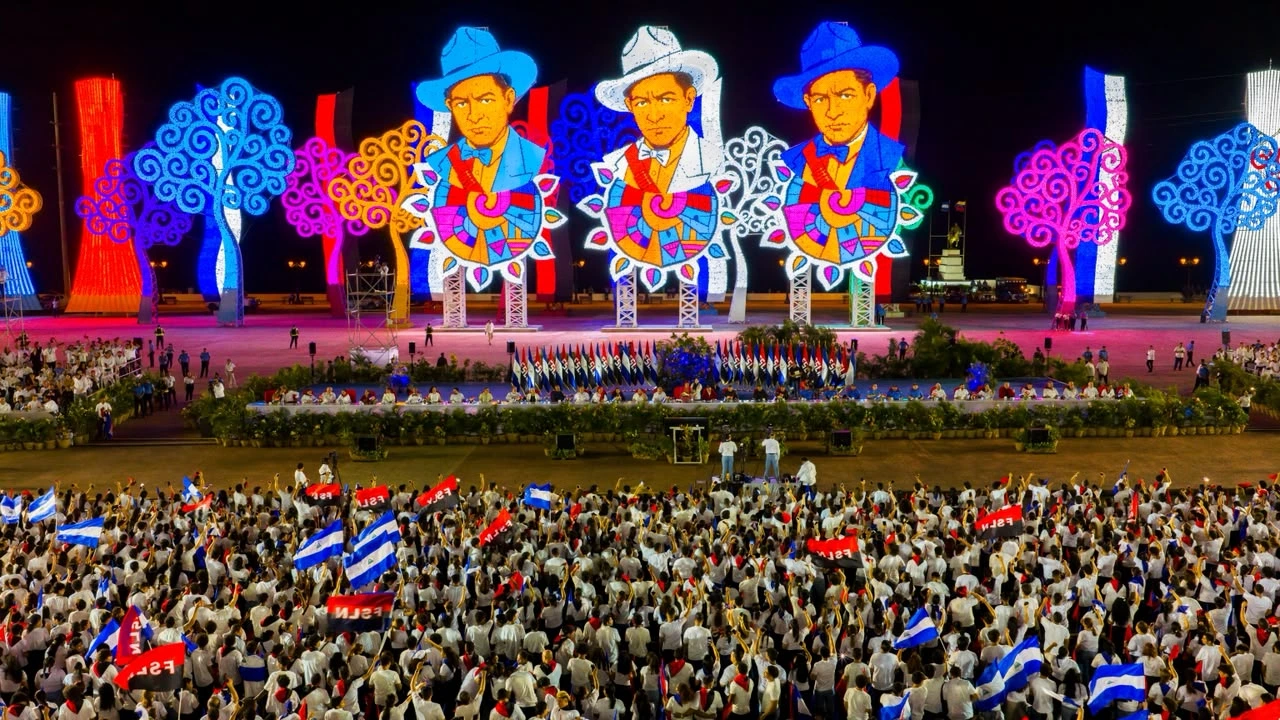
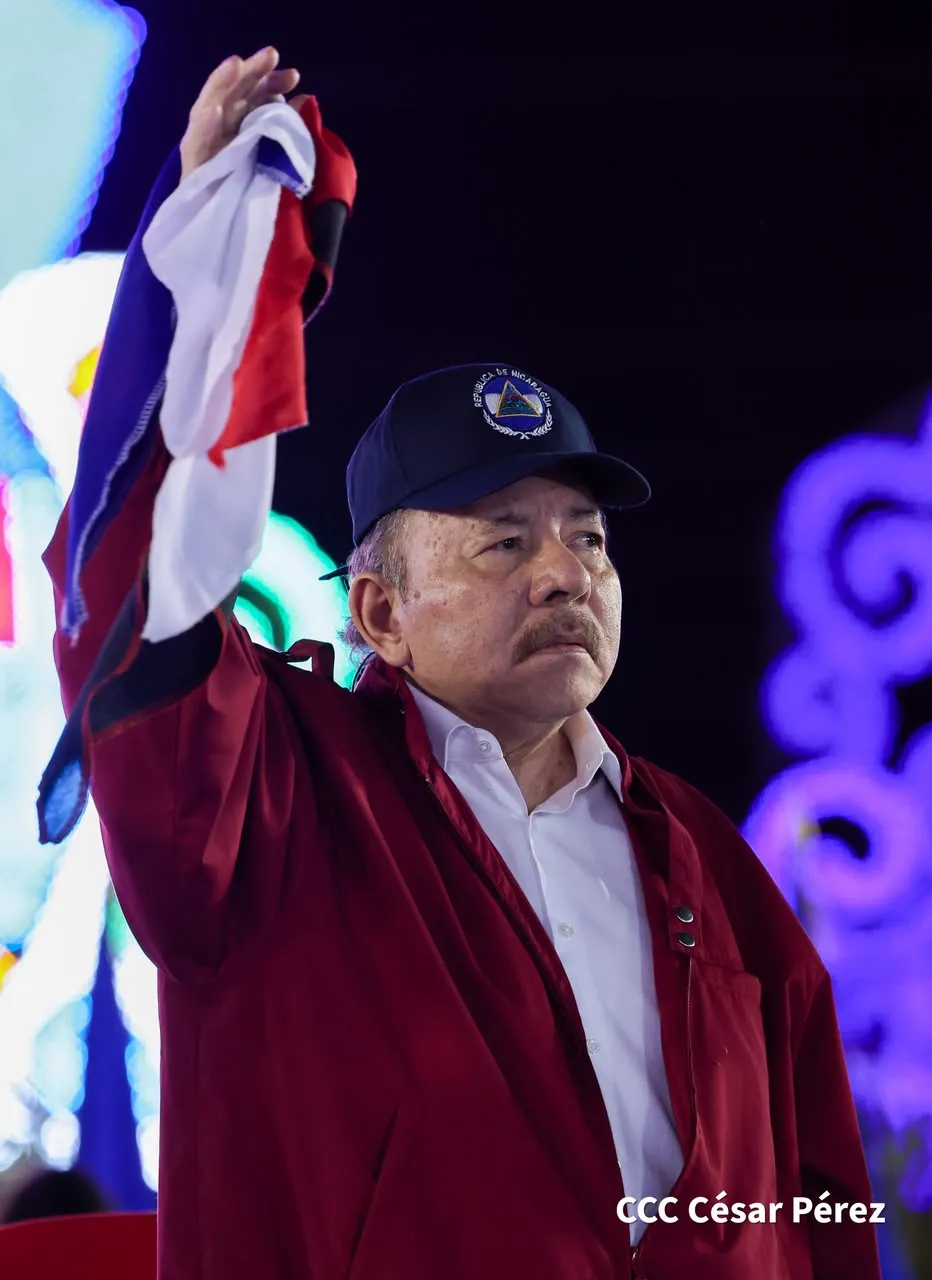
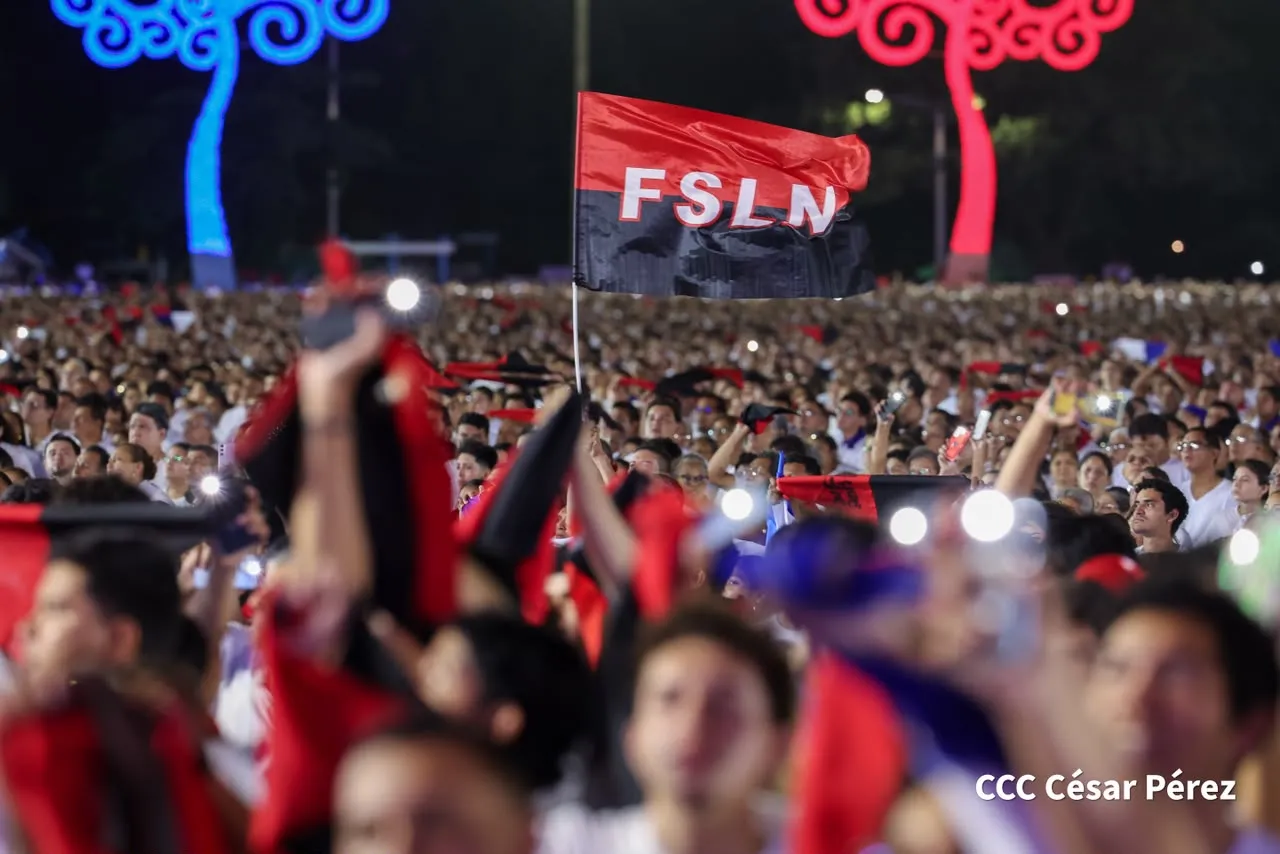
The co-president of Nicaragua, Daniel Ortega, declared that the country’s institutions will take measures to prevent political parties involved in recent violent actions with seditious aims, with the political and financial sponsorship of the US, from threatening national peace.

“Do not think that just because there is no war, we are at peace,” Ortega said at the official event on the occasion of the 47th anniversary of the triumph of the Sandinista Revolution, held on Sunday, July 19. “The opposition supported by the US lives there, conspiring, organizing, looking for ways to form parties so that in an election, they can supposedly win. But here ends the story of the parties put in place by the US, by the supporters of the Somoza dictatorship [that ruled Nicaragua between 1937 and 1979], returning to power. Never, never, never.”

In this regard, he specified that “we are going to work, with the National Assembly and the corresponding organizations, on the laws, because we need to make laws that would put a wall, a block, against the coup plotters, the traitors,” so that, “no matter how much money the US gives them,” they cannot destroy the undeniable social achievements of the Sandinista National Liberation Front and the government that he leads.

The 2018 coup attempt
In a similar vein, Ortega called upon everyone to remember that, in 2018, local business sectors breached the pact that they had signed with the Nicaraguan authorities to maintain stability and allied with foreign interests to plunge the country into chaos, leaving behind a trail of deaths and violence, in pursuit of a coup that failed.

“Let us remember how in 2018, while we were in agreements with the business sectors, with the Somoza supporters who were business owners—we had an agreement with them for peace, and the agreement was progressing, but suddenly they backstabbed. They organized the coup, used US funds to bring in young people and adults, to prepare them, train them, arm them, and try to overthrow the legitimate government of the Sandinista Front,” he recounted.

Thereafter, those agents attempted to paralyze the country through roadblocks, and the government had no choice but to deploy the police, which, along with volunteers, cleared the roads. However, he emphasized, that did not prevent serious crimes from being committed, which included the murder of Nicaraguans and the destruction of educational and public facilities.

“Here, the blood of young people, adults, women, and children was shed. Blood was shed and, in the end, there was no other way but to respond with the force of the people’s anger,” he said.

Despite US Hybrid Warfare and Sanctions, Nicaragua’s Socialist Government Is Building Infrastructure and Providing Services at Impressive Rate

Disinformation campaign against Ortega’s statements
The US government and mainstream media are spreading propaganda about what Ortega said, taking out of context a part of his speech where he said that “there will be no more elections” for the US-sponsored coup-plotting political parties. However, the US and its subservient media have presented this statement as an indication of the Ortega government’s “authoritarian” decision to end elections in Nicaragua.

Nevertheless, as evident from President Ortega’s speech, there is no plan to end elections in the country. In reality, Nicaragua is defending its sovereignty and trying to prevent the US empire from installing another puppet regime like the Somoza dictatorship that took the lives of at least 50,000 Nicaraguans and that the US had propped up for decades. The US empire has invaded Nicaragua multiple times over two centuries, militarily occupied the country, waged a terrorist war through the Contras, funded the far right, and meddled in various elections—several times with disastrous consequences for the Nicaraguan people, and has been carrying out a hybrid war since the beginning of this century. In his speech, Ortega referred to this history and asserted that the authorities would adopt measures to prevent a repeat of the bloodshed.

(El 19 Digital) with Orinoco Tribune content

Translation: Orinoco Tribune

OT/SC/SH


From Orinoco Tribune via This RSS Feed.

89


FDA Says Eggs Distributed Across Six States May Pose Serious Health Risks.

On Friday, U.S. company Midwest Poultry Services recalled approximately 1.5 million dozen eggs produced in Texas because of possible salmonella contamination.

RELATED:

Parasite Outbreak Raises Concerns Over U.S. Disease Control Vulnerabilities

This week, the U.S. Food and Drug Administration (FDA) announced that the affected eggs are white and brown cage-free eggs produced and distributed from farms in Texas between June 6 and July 3, 2026, with best-by dates between July 20 and Aug. 17.

The eggs were shipped to food service customers and retail stores in Texas, Oklahoma, Louisiana, Arkansas, New Mexico and Mississippi, and were available at retailers including Kroger and Brookshire Grocery, as well as other smaller retail outlets. Other affected brands include Simple Truth, Country Morning and SunUps.

The FDA said salmonella can cause serious and, in some cases, fatal infections, especially in young children, older or “frail” adults, and other people with weakened immune systems.

Healthy people infected with salmonella may experience fever, diarrhea, nausea, vomiting and abdominal pain. In rare cases, the bacteria can cause more serious illnesses, including arthritis or arterial infections.

The news comes as the United States faces its largest cyclosporiasis outbreak in years, a parasitic infection that causes watery and often explosive diarrhea and that federal agencies have linked to leafy green vegetables such as lettuce.

teleSUR/ JF

Source: EFE


From teleSUR English via This RSS Feed.

90


This article by Laura Poy Solano originally appeared in the July 25, 2026 edition of La Jornada, Mexico’s premier left wing daily newspaper.

The study of the far right is not only legitimate but necessary, affirmed Rosaura Ruiz Gutiérrez, head of the Secretariat of Science, Humanities, Technology and Innovation (Secihti), who stressed that when certain political expressions “stop locating themselves within democratic debate and resort to hate speech, forms of exclusion, classism, racism, xenophobia, misogyny, historical denialism, or call for distinguishing the rights of specific social groups, we must understand that hate speech is not mere opinion.”

Participating in the panel discussion “The Far Right as a Political Phenomenon,” she asserted that these narratives “have very harmful social effects, since they can legitimize discrimination and open the way to forms of symbolic, institutional, or direct violence.”

She added that in different regions of the world “the far right has stopped occupying a marginal place and has begun to displace sectors of the traditional right,” which is a wake-up call, she considered.

Gathered in the Secihti auditorium, researcher Mario Rufer, of the Universidad Autónoma Metropolitana, Xochimilco Unit, and Perla Patricia Valero Pacheco, professor at the College of Latin American Studies of the UNAM Faculty of Philosophy, stressed that these far-right discourses that have begun to grow exponentially on social networks, and even in media outlets, “are not new or spontaneous.”

They are narratives that “have a history, they do not come out of nowhere.” Valero Pacheco stressed that they have constituted themselves into organizations and political movements that can come to constitute “alternatives and political projects that are responding, for certain sectors of society, to the economic, ecological, and social crisis we face.”

She added that the far right has also appropriated discourses that belonged to progressive movements, which is key, especially on issues such as employment, freedom, and republic, among others, and which “today forms part of a repertoire of actions and policies of recovery by the right.”

For his part, Rufer stressed that what distinguishes the new right is the reconfiguration of the political scenario, in which discourse changes, allowing the emergence of disruptive actors, even “in language, in which they sell themselves as the one who will say what no one has said before, even when this goes against the interests of the listeners themselves.”

The post The Study of the Far Right Is Necessary: Mexico’s Science Secretary appeared first on Mexico Solidarity Media.


From Mexico Solidarity Media via This RSS Feed.

91


(FILE) Photo: EFE.

Iran accused the European Union of hypocrisy on Saturday, after the bloc imposed sanctions on six Iranian citizens over ‘human rights violations’, while Tehran argued that Brussels has failed to condemn war crimes by the United States and Israel.


Foreign Ministry spokesman Ismail Bagaei, in a post on the social media platform X, directly questioned how the EU could reconcile its professed human-rights commitment with providing logistical and technical backing for lethal aggressions deliberately targeting Iranian civilians and critical infrastructure. His remarks were addressed to EU foreign policy chief Kaja Kallas.

RELATED: Israeli Airstrikes on Gaza Trigger Massive Displacement

Bagaei further criticized Brussels for, in his view, refusing to denounce “the most blatant war crimes” and for showing no solidarity with Iranian children killed by U.S. and Israeli bombs and missiles. He concluded that this represented not merely a loss of credibility, but “the banality of evil and the purest form of hypocrisy.”

.@Kajakallas speaks of the European Union’s “human rights concerns” regarding Iran. How can a professed commitment to human rights be so easily reconciled with providing logistical and technical support for lethal aggressions against the Iranian people — aggressions that…

— Esmaeil Baqaei (@IRIMFA_SPOX) July 25, 2026

The EU announced the new sanctions package on Friday, targeting six Iranian nationals, including five judges and an alleged hacker linked to multiple cyberattacks.


From teleSUR English via This RSS Feed.

92


Israeli forces broke into multiple locations across the occupied West Bank early Saturday as part of a large-scale operation.


In the village of Tell – where Friday’s incident occurred after a group of settlers entered Palestinian territory – troops raided dozens of homes, including those of the Palestinians killed in the previous day’s fire, according to Palestinian activists in the area. Over 30 residents were detained by morning, they said, with the operation in the village still ongoing.

RELATED: Israeli Airstrikes on Gaza Trigger Massive Displacement

Israeli forces also restricted the funeral of the Palestinian victims from the shooting and raided the Nablus Specialized Hospital, clashing even with medical staff to arrest relatives and wounded individuals from the incident, according to reports.

The Israel Defense Forces additionally operated in several municipalities within the Jenin governorate, including a residential complex near the Arab American University housing displaced people from the Jenin refugee camp, and carried out further raids in the Tulkarm area and the city of Qalqilya. At least three arrests were reported in the locality of Azzun.

Watch | An Israeli soldier executing Palestinians at very close range in the village of Tell, Nablus, in the occupied West Bank this morning.

According to local witnesses, the soldier shot up to seven Palestinians; four were reportedly killed, including two brothers, and others… pic.twitter.com/ByWmeIpzJ1

— Quds News Network (@QudsNen) July 24, 2026

According to Al Jazeera, at least ten Palestinian towns and villages were raided, with some incursions still underway and access routes cut off for residents. The Qatari network also reported that soldiers broke into several locations in the northern West Bank, including Qaryut, where tear gas was fired into homes.

The raids also extended to the Aqabat Jaber refugee camp in Jericho, the Kafr Aqab neighborhood in East Jerusalem – located behind the separation wall – as well as the city of Tubas and the Masafer Yatta area in the Hebron governorate.

Israeli settler militias have unlawfully seized an under-construction Palestinian home in the town of Qarawat Bani Hassan, in the central occupied West Bank, and raised Israeli flags over it. pic.twitter.com/gkPmQKq5DA

— Quds News Network (@QudsNen) July 25, 2026

The operation follows an incursion by Israeli settlers into the Tell village near Nablus on Friday, during what appeared to be an excursion in occupied territory that also included children, according to videos recorded by witnesses and the Israeli NGO B’Tselem.

In a statement, the Palestinian Presidency blamed Benjamin Netanyahu’s government for “providing financial and political support” to radical Jewish settlers who commit “terrorist attacks” in the West Bank.


From teleSUR English via This RSS Feed.

93


The dispute arose following the €890 million fine imposed by the European Commission on Google, which found that it favored its own services in search terms and restricted software developers from promoting cheaper alternatives outside of Google Play. Photo: EFE.

U.S. President Donald Trump threatened this Friday to impose new tariffs on the European Union in retaliation for the bloc’s recent 890-million-euro fine against tech giant Google for violating the Digital Markets Act.


The conflict erupted after the European Commission sanctioned Google on Thursday for favoring its own services in search results and restricting software developers from promoting cheaper alternatives outside the Google Play platform.

The penalty, totaling 890 million euros, represents one of the highest fines levied under the EU’s new digital regulatory framework.

RELATED: Trump Warns China and Russia Against Supplying Weapons to Iran

President Trump responded aggressively through his Truth Social account, warning that Brussels would face severe economic consequences.

The White House announced the launch of a formal investigation under Section 301 of the Trade Act of 1974, a legal mechanism that allows the U.S. government to determine whether foreign practices are unfair or discriminatory.

"The United States of America is not a “PIGGYBANK” for Europe, nor will we allow it to be! Please let this TRUTH serve to represent that we will immediately initiate a 301 Investigation into the practice of “ROBBING” American Companies and, in turn, the American Taxpayer." -… pic.twitter.com/TRGPi0rCm3

— The White House (@WhiteHouse) July 24, 2026

According to Trump, the European Union has engaged in what he described as “illegal and highly unethical conduct” by penalizing an U.S. corporation.The European Union will pay a very high price for this behavior, which I have repeatedly warned them about,” the U.S. President declared.

The Section 301 probe enables the Office of the United States Trade Representative (USTR) to assess whether European regulatory actions harm U.S. commercial interests. If the investigation concludes that Brussels engaged in unfair trade practices, Washington would be legally authorized to impose additional tariffs or other import restrictions on European goods.

⚠ We have fined Google €890 million for breaching the Digital Markets Act, by promoting their own services and restricting customer access to alternatives on Google Search and Google Play.https://t.co/zFChIQxKua pic.twitter.com/QTqdpS6dyY

— European Commission (@EU_Commission) July 23, 2026

Regulatory Confrontation Deepens

The European Commission determined that Google violated the Digital Markets Act, a comprehensive regulatory framework designed to ensure fair competition in the digital economy. The ruling gave the company 60 days to eliminate the sanctioned practices, which Brussels argued stifled competition and harmed European consumers and developers.

This is not the first time the United States has clashed with European regulators over tech enforcement. The Trump administration has consistently criticized EU digital regulations, arguing that they unfairly target American companies while protecting European firms from similar scrutiny. The U.S. President specifically referenced previous EU actions against Apple, Meta, Amazon and Google as evidence of systematic discrimination.

Trade Representative Jamieson Greer addressed Congress to clarify the administration’s commercial strategy. “The specific authorities this administration uses have changed, but the trade strategy has not,” Greer stated, emphasizing that tariffs and bilateral negotiations remain central to Washington’s approach.

The U.S. administration recently implemented an alternative regulatory framework for its tariff policy after courts blocked previous measures. The revised plan includes imposing fees on more than 60 countries, arguing that these nations lack effective mechanisms to prevent entry of goods produced with forced labor.

European officials have defended the Google fine as a necessary step to protect fair competition and consumer rights in the digital marketplace. The European Union maintains that its regulatory framework applies equally to all companies operating within its jurisdiction, regardless of nationality. However, the escalating trade rhetoric from Washington threatens to deepen transatlantic economic tensions at a time when global markets remain fragile.

The White House signaled that retaliatory measures could be implemented swiftly, with Trump promising a “substantial tariff” on European imports in the coming weeks. Analysts warn that a full-blown trade war between the United States and the European Union could disrupt supply chains, raise consumer prices on both sides of the Atlantic, and undermine cooperation on shared geopolitical challenges.


From teleSUR English via This RSS Feed.

94


By William Serafino  –  Jul 24, 2026

August 1 has been established as the date of a new turning point in Venezuelan politics. The current National Assembly and the defunct 2015 national assmebly, whose functions ceased constitutionally in 2020, have agreed on a dialogue agenda. For US Secretary of State Marco Rubio, the proposed “roadmap” will signify the beginning of the transition in the country.

Amid the thick fog that envelops Venezuela’s political course, the announcement must be approached with a conditional perspective. If the January 3 bombings and last month’s earthquakes showed us anything, it is that anything is possible in the eventful 2026 Venezuela.

The general dimension of the approach
On July 14, the National Assembly chaired by Jorge Rodríguez and the self-proclaimed “2015 National Assembly” led by anti-Chavista activist Dinorah Figuera issued statements in unison. They announced the start of talks to address the effects of the double earthquake, strengthen democracy, and evaluate broader political issues including the electoral system.

The statements formalized the first meeting held in Caracas between Jorge Rodríguez and Dinorah Figuera, former deputy from the opposition party, Justice First, in mid-June. The meeting was propelled by Washington, which facilitated Figuera’s arrival.

Through the meeting, which was surprising to many, the Trump administration disavowed the “Panama Manifesto” signed by María Corina Machado and the partisan coalition Democratic Unitary Platform (PUD) just a few days earlier. The manifesto supposedly aimed to promote a negotiation, potentially validated by Trump, where Machado, the head of the Vente Venezuela party, would be at the forefront.

The July 14 announcement has finally confirmed that the White House’s calculations in Venezuela do not include Machado. She is considered a figure aligned with the Democratic Party who could disrupt the current status quo of stability agreed upon between Washington and Caracas, which is functional for the US plundering of Venezuelan oil resources, but also functional for Miraflores’ interest in governing with a greater margin of political, economic, and financial maneuvering.

Rubio’s turn
However, it was Rubio who gave a semantic twist to some statements that, until the moment of their publication, were redundant in generalities and did not mention the word “transition.” On July 19, the US secretary of State and national security advisor stated that a “format and forum had been agreed upon not only for reconciliation talks but also to initiate the transition process, which is what the people of Venezuela need.”

Instantly, the media landscape was filled with headlines that took the beginning of a transition in Venezuela under Washington’s umbrella as a fact. It is highly probable that this was the effect that Rubio was looking for, with a discursive move aimed at reinforcing the notion of US tutelage over Venezuelan politics.

The crux of the matter is that Rubio’s statement did not clear the fog about what had been agreed upon. In fact, he appeared surprised and unaware of the dynamics of the negotiation.

Rubio stated that he “believed” that the conversations would start in August, but then asserted that “we’ll see how the situation evolves.” On one hand, he pretends not to be fully aware of the situation. On the other hand, he avoids committing to a verifiable final outcome subject to concrete parameters.

However, the “transitional” framework has already been configured according to the viceroyal status over Venezuela that Rubio wishes to have, to the extent of using the New York Times for this purpose.

A hot potato?
At this point, it would be appropriate to ask how a concept as concrete as that of transition fits with the instrumental ambiguity that Rubio demonstrated. If Washington’s control is so absolute, what would prevent the process beginning in August from being accompanied by specific institutional steps and precise election dates? Why does “we’ll see” replace the despotism that accompanies the actions of every viceroy?

The only answer available, for the moment, seems to come from the convergence of multiple contradictions originating from the eccentric Washington-Caracas relationship following the January 3 aggression. Marco Rubio is also a victim of these contradictions.

So far, the Venezuelan government, focused on post-earthquake recovery and reconstruction, has been absolutely tight-lipped about Rubio’s comments and regarding the topics that would be addressed with the spectral “2015 National Assembly.”

For her part, Figuera has limited herself to arguing that the negotiation will focus on “re-institutionalizing” the electoral and justice system and guaranteeing political rights. However, she has been careful not to address the electoral issue and the content of the hypothetical transition.

The prominence given to Figuera by Washington has generated suspicion among the rest of the opposition, creating a new episode of internal division.

Henrique Capriles unexpectedly criticized Machado’s exclusion from the talks. Henry Ramos Allup has stated that communication between Figuera’s team and the PUD is not smooth. Meanwhile, some names of those who would participate in the negotiations are already circulating, including Leopoldo López and others from the Justice First circles, fracturing the minimal possibilities of consensus in the broad anti-Chavista ecosystem.

In addition to the internal dissent of the opposition, there is the centrality of the post-earthquake scenario and a Trump that is increasingly comfortable with the geopolitical and energy dividends provided by the relationship with Caracas. Thus, a transitional process does not seem to be among his immediate priorities.

The Challenge of Reconstructing Venezuela’s Political Fabric

However, there are internal pressures in the US as well. Republican Congress members Bernie Moreno and María Elvira Salazar are constantly projecting dates for a presidential election in Venezuela and calling on the White House to accelerate the transition. This is particularly relevant given that the continuity of a presidency led by Delcy Rodríguez endorsed by Trump undermines Latino support for the Republican Party in the midterms.

In the crossfire, Rubio cannot rely on inertia. The US intervention in Venezuela not only bears his name but has also become his main reputational investment as a future aspirant to the US presidency.

Therefore (and until proven otherwise), Rubio is setting up a kind of simulation in which he is trying to manage the contradictions that surround him. Yet, the horizon of the unthinkable remains open, now more than ever.

Pretending that he has not influenced the development of the Rodríguez-Figuera negotiation, Rubio presents the narrative of transition, but does not commit to its final consequences to avoid being caught up in the divisions of anti-Chavismo.

With this, within the US, he is also trying to calm the Republicans who demand to “finish the job” to win votes in November. At the same time, he guarantees the support of his boss in the White House, who still does not find a transition led by Machado as economically lucrative as the current relationship with Caracas, with returns exceeding $13 billion according to the Financial Times.

Playing it to the limit, Rubio is trying to fulfill the difficult task of pleasing both God and the Devil. He is caught between pressures for a quick transition and maintaining the status quo. Meanwhile, Machado’s exclusion hits his prestige, and the good relationship with Delcy Rodríguez undermines the Republican capital among the Latino electorate.

Between a viceroy forced to distribute more than what he has, an opposition programmatically kneeling to Washington, and a Chavismo that insists that its premise is to buy time without clearly defining its medium- and long-term objectives, the August round of Venezuelan politics is defined. Amid the fog, opacity, and US interference, basic concepts like sovereignty and national dignity are beginning to appear strange.

(Diario Red)

Translation: Orinoco Tribune

OT/SC/SF


From Orinoco Tribune via This RSS Feed.

95


Turkey announced this Saturday that it will send two aircraft specialized in firefighting to Spain to reinforce the extinguishing efforts against the fires that are devastating various areas of the country, particularly at the moment in the provinces of Ávila and Madrid.

[Twenty flights canceled in Puerto Rico due to smoke from Canadian wildfires: Turkiye to Send Two Aircraft to Spain to Fight Fires](https://www.telesurenglish.net/turkiye-to-send-two-aircraft-to-spain-to-fight-fires/)

Turkey, “in response to the request for help made by the Spanish authorities within the framework of the European Union Civil Protection Mechanism, will send two firefighting planes to Spain in order to contribute to the fight against the fire,” announced a statement issued by the Turkish embassy in Madrid.

The two large forest fires that are ravaging the neighboring provinces of Madrid and Ávila, in the center of Spain, have burned some 25,000 hectares so far, favored by atmospheric conditions, and have forced the evacuation of 73,000 people from numerous municipalities.

Madrid ve çevresinde meydana gelen orman yangınlarını üzüntüyle takip ediyor, dost İspanya halkına en içten geçmiş olsun dileklerimizi iletiyoruz. 🇹🇷🇪🇸

Seguimos con profunda tristeza los incendios forestales que se están produciendo en Madrid y sus alrededores, y trasladamos al…

— Türkiye in Spain (@TC_MadridBE) July 24, 2026

The President of the Spanish Government, Pedro Sánchez, announced this Saturday that the two uncontrolled and close fires will now be managed as a single incident, so that the command of the national emergency declared in the area will be unified.

Apart from these two catastrophic fires in the center of Spain, a string of fires are affecting other parts of the country, although less intense, such as in the provinces of León (north), Huesca and Teruel (northwest), and Córdoba (south).

Recent weeks were especially serious in the province of Almería (southeast), where 13 people died and 7,000 hectares burned.

And just a few days ago, fire devoured 32,000 forest hectares in the Sierra Norte de Guadalajara (center), the second largest incident of this type in Spain since records began.


From teleSUR English via This RSS Feed.

96


US State Department report on Cuba geopolitical tensions visual

The US State Department report on Cuba raises 9 controversial claims, drawing criticism over bias, Cold War rhetoric, and geopolitical implications.

Related: U.S. Imposes New Coercitive Sanctions Targeting Cuba Medical Services and Energy


US State Department report on Cuba has reignited longstanding geopolitical tensions, following the release of a more than 100-page document titled “Cuba, the Capital of 21st Century Communism.” Published under the administration of Donald Trump, the report is structured into eight chapters and a conclusion, presenting a narrative that critics argue aligns primarily with Washington’s ideological stance.

From the outset, the US State Department report on Cuba frames the Caribbean nation as a sustained threat, alleging decades of subversion against the United States. However, analysts point out that the document lacks analytical depth and reflects a one-sided interpretation of historical events, raising concerns about its purpose and timing.

The report appears crafted not only to consolidate support among international right-wing sectors but also to shape US public opinion in favor of a more aggressive posture toward Cuba, potentially including military considerations.


US State Department Report on Cuba: Ideological Conflict Narrative

The first chapter, titled The Revolutionary State, asserts that Cuba has conducted nearly seven decades of ideological and political infiltration within the United States. It accuses Havana of recruiting activists, influencing institutions, and supporting what it describes as “left-wing terrorism” on US soil.

These claims revive Cold War-era concepts such as infiltration and ideological recruitment, long used in anti-communist discourse. The report acknowledges that Cuba’s most effective actions have occurred on the “ideological battlefield,” a statement that critics argue reflects historical patterns of political persecution.

During the latter half of the 20th century, thousands of educators and activists across Latin America were persecuted under similar accusations, often during military dictatorships backed by Washington. The report, however, does not address this broader historical context.

It further identifies contemporary organizations such as Black Lives Matter-linked activism, Antifa, academic institutions, and migrant advocacy groups as part of a network allegedly influenced by Cuba. Observers note that such generalizations risk conflating domestic dissent with foreign interference.

At the same time, the US State Department report on Cuba portrays the United States as a victim of aggression, omitting key historical actions taken by Washington against the island.


Historical Tensions and Omitted Context

Historical records indicate that US-Cuba relations have been marked by decades of hostility, including covert operations, economic sanctions, and direct confrontations.

Among the most significant events:

  • The 1961 Bay of Pigs invasion, a failed US-backed attempt to overthrow the Cuban government.
  • The 1960 La Coubre explosion in Havana harbor, which killed dozens.
  • The 1976 bombing of Cubana Flight 455, resulting in 73 deaths, widely condemned as a terrorist act.
  • The longstanding economic embargo, imposed in 1962 and still in force, which has severely impacted Cuba’s economy.

The US State Department report on Cuba does not fully acknowledge these घटनाओं, instead emphasizing Cuba’s alleged destabilizing role abroad.

Critics argue that this selective narrative undermines the report’s credibility, particularly when it attributes Cuba’s economic struggles solely to internal governance, without addressing the effects of sanctions.


Exporting Revolution and Global Influence

Another central claim in the US State Department report on Cuba is that Havana has historically sought to “export revolution,” supporting insurgent movements across Latin America and beyond.

The document references Che Guevara’s doctrine of “two, three, many Vietnams”, framing it as a strategic blueprint for destabilizing US-aligned governments. It also links Cuba to movements such as the Sandinista revolution in Nicaragua and contemporary political developments in Venezuela.

Notably, the report describes Venezuela as a “Cuban colony,” a characterization widely disputed by regional analysts. It also omits mention of Cuba’s international medical missions, which have provided healthcare services in dozens of countries and are often viewed as a cornerstone of its foreign policy.


Intelligence, Activism, and “Internal Enemies”

The report dedicates several chapters to Cuba’s intelligence capabilities and its alleged influence within US civil society. It highlights cases such as Ana Belén Montes, a former US intelligence analyst convicted of spying for Cuba.

Additionally, it scrutinizes solidarity initiatives like the Venceremos Brigade, which has brought thousands of US citizens to Cuba since 1969. According to the report, such programs form part of a broader network of influence involving NGOs, academic institutions, and advocacy groups.

The US State Department report on Cuba labels these exchanges as infiltration mechanisms, a claim that has drawn criticism for reviving McCarthy-era rhetoric and potentially stigmatizing legitimate international cooperation.

Geopolitical Context and Global Implications

The release of the US State Department report on Cuba comes amid shifting global alliances and renewed tensions between major powers.

The document links Cuba to a broader anti-US coalition involving Russia, China, Iran, and Venezuela, suggesting that Havana plays a coordinating ideological role. It also references Iran’s presence in Latin America, framing it as part of a strategic threat to US interests.

This perspective reflects a wider geopolitical narrative, in which Latin America becomes a contested space between competing global actors. Analysts warn that such framing could justify increased interventionism in the region, further complicating diplomatic relations.

At the same time, the report underscores Washington’s concern over ideological influence, particularly in an era marked by social movements, digital activism, and political polarization.

Conclusions and Controversy

In its concluding section, the US State Department report on Cuba argues that the island’s perceived weakness should not be mistaken for harmlessness. It portrays Cuba’s influence as primarily ideological, capable of shaping movements within the United States itself.

Critics highlight a key contradiction: while emphasizing Cuba’s economic limitations, the report attributes to it a disproportionate global influence, raising questions about the consistency of its arguments.

Furthermore, the document suggests that internal dissent within the United States may be linked to foreign ideological manipulation, a stance that could have significant implications for civil liberties and political discourse.

Ultimately, the US State Department report on Cuba appears to serve not only as a foreign policy assessment but also as a domestic political instrument, reinforcing narratives that blur the line between external threat and internal opposition.

cuba-report-pdf-spanishDownload


From teleSUR English via This RSS Feed.

97


This article by the SinEmbargo newsroom originally appeared in the July 26, 2026 edition of SinEmbargo, published with the express authorization of El Sur.

Acapulco, July 26 (El Sur).— President Claudia Sheinbaum Pardo announced this Sunday that the federal government canceled the La Parota dam project, in the rural area of Acapulco, Guerrero, because of the impact it would have caused on the communities, and noted that, in its place, wells are being built to supply water to the port.

At a public event in Ciudad Renacimiento, in the upper coastal area, the federal leader said she communicated the decision on Saturday to the residents of the rural area.

“I informed all of rural Acapulco that the La Parota dam project is canceled. We are no longer going to do it because it greatly affected the community,” she stated.

Sheinbaum’s announcement implies recognition of the social protest that arose two decades ago against the Federal Electricity Commission (CFE) project in the bed of the Papagayo River, about 30 kilometers (km) from Acapulco.

Supervisamos la obra de los nuevos pozos radiales que contribuirán a fortalecer el abastecimiento de agua para Acapulco. Cada avance representa un paso más para el bienestar.
Gracias por su cálido recibimiento, su confianza y su cariño. Ese amor es correspondido y nos motiva a… pic.twitter.com/UiusbIcTbo

— Claudia Sheinbaum Pardo (@Claudiashein) July 26, 2026

In explaining the decision, the head of the Executive branch noted that the federal government is already carrying out works to strengthen the water supply in Acapulco, which will replace the hydroelectric project.

She also detailed that in the area where the dam was to be built, radial wells and elevated tanks are being developed that will allow water to be distributed by gravity to different neighborhoods of the port.

“In substitution for that project, we are building these wells to be able to bring water to Acapulco,” she stated. “It is pumped to the upper part and the water reaches the different neighborhoods,” she added.

Likewise, she recalled that, after the passage of hurricanes “Otis” and “John,” the pumps that captured water from the Papagayo River were damaged, so new infrastructure is now being built to prevent a similar situation from occurring again during the river’s floods.

“We are doing sanitation works so there is no contamination of the rivers, and dredging so they have enough space and do not overflow in case of an abnormal situation. Knock on wood!” she expressed.

Finally, she said that the drinking water networks in the neighborhoods of the upper part of Acapulco will also be renewed, beginning with Ciudad Renacimiento.

Members of the CETEG teachers' union hold a banner during President Sheinbaum's visit to Acapulco

Photo: El Sur

Members of the State Coordinating Committee of Education Workers in Guerrero (CETEG) also presented a list of demands to President Sheinbaum Pardo today during her second day of a work tour in Acapulco.

A brief encounter between CETEG members and the federal leader took place as the head of the Executive branch was arriving in her vehicle at the facilities of the Ciudad Renacimiento Sports Center.

The general secretary of the CETEG, Elvira Veleces Morales, approached the truck and handed President Sheinbaum Pardo a document with the union’s demands, among them the repeal of the Law of the Institute for Social Security and Services for State Workers (ISSSTE), an increase to the Teacher’s Day bonus, and recategorization.

Veleces Morales briefly explained the demands. The President did not get out of the vehicle and merely signed to acknowledge receipt of the document.

The Guerrero leader said that “wherever the President appears,” they will be there to present their union demands to her.

The post Claudia Sheinbaum Announces Cancellation of La Parota Dam in Guerrero; Water Wells Will Be Built Instead appeared first on Mexico Solidarity Media.


From Mexico Solidarity Media via This RSS Feed.

98


The Gulf states seek to build new ports, pipelines, and roads to allow them to export oil via new routes amid Iran’s closure of the strategic waterway

Borrowing from Persian Gulf nations in international debt markets has spiked this year, in a bid to finance the construction of costly infrastructure to bypass oil export routes through the Strait of Hormuz, Bloomberg reported on 24 July.

“With the Iran war entering its sixth month, Saudi Arabia, Kuwait, the United Arab Emirates and Qatar are looking to invest billions of dollars in infrastructure less vulnerable to Iranian attacks than the Hormuz waterway,” the financial news outlet wrote.

The Strait of Hormuz, through which around 20 percent of the world’s oil and gas exports normally pass, was closed following the start of the US-Israeli war on Iran in February, crippling oil exports from the Gulf states.

Iran has regularly attacked tankers and ships attempting to transit Hormuz without taking permission from it.

The Hormuz closure has forced the Gulf states to find alternatives, such as building new ports on the Red Sea or the Gulf of Oman, refurbishing and expanding old pipelines, and improving desert road networks.

🇸🇦🌍 The Hormuz crisis could reshape Saudi Arabia’s role in the Gulf

An EIU analysis argues that Hormuz is no longer a guaranteed commercial gateway, but an increasingly contested passage shaped by attacks, military escorts, political pressure and soaring insurance costs.

That… pic.twitter.com/Qz2HG0Jxor

— Gölge Veri (@golgeveri) July 24, 2026

To finance these alternatives, the Gulf states have borrowed a record $112 billion this year, according to data compiled by Bloomberg. The finance ministries of some of these countries are in talks with bankers and investors to borrow even more to fund the projects, according to people familiar with the matter.

Qatari Delegation Arrives in Tehran for Efforts To End War

The UAE’s foreign trade minister said this month new pipelines and ports would help his nation achieve “zero Hormuz dependency.”

Dubai-owned port operator DP World is developing two deepwater terminals on the coast of the emirate of Fujairah, which lies outside Hormuz. The new ports will help replace oil exports lost via DP’s flagship Jebel Ali Port, located within the strait.

Saudi Arabia is working to expand its East–West Pipeline, which takes oil from the Persian Gulf coast west toward the port of Yanbu on the Red Sea. The kingdom is also upgrading desert roads to move oil by tanker trunk, in a further effort to bypass Hormuz.

According toBloomberg, there is significant demand for bonds issued by the Gulf states despite the political risk of the ongoing war with Iran, as they all have large foreign-exchange reserves that can be used to make debt payments.

Kuwait saw strong demand for the $6 billion in bonds it sold this week, even though the country’s oil exports have been halted and despite regular Iranian attacks on US bases in the country.

Similarly, investors showed strong interest in bonds sold earlier this year by Saudi Arabia, the UAE, and Qatar.

Amid its control of Hormuz, Iran could seek to target oil infrastructure now being built by the Gulf States to bypass it.

This week, Iran’s ally Yemen began striking oil tankers and commercial vessels seeking transit through the Bab al-Mandab Strait to reach Saudi ports on the Red Sea.

“I expect more sovereign issues and spreads widening, but also anticipate Bab al-Mandab as the next choke point if things escalate,” said Ahmed Nabi, an emerging markets credit trader at Caventor Capital.

The borrowing by the Gulf States will help US and European banks profit from the ongoing war on Iran, just as US and western energy and defense firms have profited from higher oil prices and increased weapons sales.

(The Cradle)


From Orinoco Tribune via This RSS Feed.

99


By Becca Renk Foster  –  Jul 23, 2026

Using deliberate distortion of a speech by co-president Daniel Ortega, the U.S. has kicked off a campaign to meddle in Nicaragua’s elections by erroneously announcing that Nicaragua will no longer hold elections.

In a novel turn, the U.S. has kicked off a campaign to meddle in Nicaragua’s elections by erroneously announcing that Nicaragua will no longer hold elections.

On July 19th, in a speech to 70,000 gathered in Managua’s Plaza de Fe to mark the 47th anniversary of the triumph of the Sandinista Popular Revolution, Nicaraguan co-president Daniel Ortega made reference to U.S.-backed opposition groups.

“They wish that they could have elections so that they could make money off of schools,” he said, recalling that during previous administrations, government officials charged for ostensibly free public services.

“But they can forget that. There will no longer be elections here, there will no longer be elections here for them to capture the government and trap the people,” he continued. “And we are going to work with the National Assembly and the corresponding agencies on laws to build a wall against the coup mongers so that no matter how much money the Yankees give them, they will not succeed. They will not succeed!”*1

The next morning, The New York Times chose to run the headline, “Nicaraguan Leader Says He Plans to Abolish Elections.” A version of this inaccurate headline was repeated around the world in an orchestrated manner, unusual for a country that rarely makes international news.

U.S. Secretary of State Marco Rubio pounced on the topic, releasing a statement:

“Daniel Ortega’s declaration that under his family’s dictatorship Nicaragua will never again hold elections lays bare their true authoritarian nature…The United States calls on the international community to join forces to demonstrate to the Murillo-Ortega dictatorship that it cannot expect to maintain business as usual with other nations when it is thwarting the basic tenets of our democratic hemisphere.”

As expected, this statement triggered public denunciations aimed at isolating Nicaragua from countries around the region that participate in the U.S. imperialist initiative “Shield of the Americas.”

Celebration of the 47th anniversary of the triumph of the Sandinista Popular Revolution in Managua. (July 19, 2026)Photo: César Pérez

Deliberate Distortion

Jill Clark-Gollub, who holds a master’s degree in translation and interpretation and is certified to interpret in the U.S. federal courts, is puzzled by the mistranslation of Ortega’s remarks published in The New York Times and repeated elsewhere.

“This is a speaker who takes pauses and uses repetition as an oratory style,” she says. “To cut him off before he finishes the sentence, as if he were saying that there would never be any elections again, seems to me a deliberate distortion of his message. If an interpreter did this in a professional context, they would be subject to disciplinary action.”

This purposeful misinterpretation of Ortega’s meaning seems to have kickstarted the very campaign of meddling in Nicaragua’s internal affairs that Ortega was warning about in his speech. Following the media onslaught, Nicaragua’s U.S.-backed opposition apparatus appears poised to press its perceived advantage. Accordingly, it has escalated from condemnations to  suggesting a color revolution with speculations of “a possible social protest where (the US) can leverage its pressure.”

A Season of Electoral InterferenceThis rapid intensification comes at a time of forceful U.S. pressure on Latin America. Even without mentioning the recent kidnapping of Venezuela’s president or the current stranglehold on Cuba – both of which Ortega did, in fact, mention and condemn in his speech – over the past year the U.S. has interfered in elections across the region.

In Argentina, Bolivia, Honduras, Peru and Colombia, the U.S. has explicitly tied its economic support to right wing candidates, hosted preferred candidates at the White House and imposed sanctions left-wing parties. U.S. lawmakers also mobilized conservative Colombian ex-pats, resulting in overseas votes that proved crucial in the final count.

Intervention in the Honduran elections last November has revealed a larger plot to destabilize the region: Trump pardoned former Honduran president Juan Orlando Hernández, a convicted narcotrafficker, just two days before the election. Since then, a trove of leaked audio recordings dubbed “Hondurasgate,” has revealed that Hernández is in league with Republican party officials and actively producing propaganda against progressive governments across Latin America.

President of Nicaragua: US-Sponsored Parties Will Never Again Rise to Power

A Precedent for Meddling in NicaraguaOrtega’s remarks on election meddling were the conclusion to a speech detailing 200 years of unrelenting U.S. interference in Nicaragua. In his trademark style, Ortega’s discourse began with a history lesson including resistance to U.S. mercenary William Walker’s invasion in the 1850s; Augusto Sandino’s fight against the U.S. Marines in the 1920s, his assassination by orders from the U.S. Ambassador, and the installation of Anastasio Somoza’s U.S.-backed military dictatorship.

Blatant U.S. meddling in Nicaragua’s elections and internal affairs didn’t end when the Frente Sandinista de Liberación Nacional (FSLN) overthrew Somoza in 1979. Following the triumph of the Revolution, the U.S. organized and funded the “contra” counter revolutionary forces, resulting in 50,000 dead over 10 years; the U.S. forced Nicaraguans to choose between continued war and the U.S. candidate in 1990 elections; and ran the country de facto during 16 years of neoliberal governments.

Despite continued U.S. interventionism, the FSLN won elections in 2006 and has stayed in power since, winning three subsequent elections and garnering 76% of the vote in 2021. In fact, any legitimate opposition to the Sandinista party will have to present an exceptionally strong platform to compete with ruling party achievements over the past 19 years which include 50 new hospitals and free universal healthcare; free education, including university; 5,000 kilometers of new roads; 4-5% annual GDP growth; Nicaragua is one of the safest countries in the region. Given the quality of life for the average Nicaraguan today, it’s no wonder that recent polls show Ortega enjoying an 88.5% approval rating.

**Never, never, never!**During his address on July 19th, Ortega remembered the violent coup attempt in 2018 when armed opposition groups paralyzed the country with violent roadblocks and some 270 people were killed. Investigations have shown that the U.S. government funded the violence.

Since then, Nicaragua has worked to ensure that those responsible for the violence cannot continue to undermine the country’s hard-won peace. In his speech, Ortega warned Nicaraguans that threats to the country’s security remain.

“Just because we’re not at war, don’t think we are at peace. No! They [U.S.-backed opposition] are continuously conspiring, trying to organize political parties, so that they can put up candidates and ensure those parties win the elections,” he said.

“Here is where we put an end to the idea that those parties put in power by the Yankees, put in power by Somoza supporters, will ever return to government: never, never, never!”

Co-president Rosario Murillo at the celebration of the 47th anniversary of the triumph of the Sandinista Popular Revolution in Managua. (July 19, 2026) Photo: César Pérez

**“Elections, yes”**Despite international hype over Ortega’s mistranslated remarks, Nicaragua is moving forward with the co-president’s proposal.

“We the people of Nicaragua will decide when and how our elections will be held,” Dr. Gustavo Porras, president of Nicaragua’s National Assembly, told reporters. He confirmed that lawmakers are already working to ensure they “leave no loophole through which the terrible manipulation of the empires and their lackeys can seep in.”

Co-President Rosario Murillo also clarified that Nicaragua will hold elections.

“Elections, yes, but our own elections,” she told reporters. “And when we say ‘our own,’ we mean elections by our blessed people—designed and organized on the basis of our national sovereignty and our national dignity—to elect the best Nicaraguans.”

Becca Renk Foster is originally from Idaho, USA. For 25 years, she has lived and worked in sustainable community development in Nicaragua. She coordinates the work of Casa Benjamin Linder in Managua and is part of the Nicaragua Solidarity Coalition.

(Kawsachun News)


From Orinoco Tribune via This RSS Feed.

100


Brazil’s Ministry of Foreign Affairs on Sunday recalled its ambassador to Argentina, Julio Bitelli, for consultations, following offensive remarks made by Argentine President Javier Milei during the launch of Flávio Bolsonaro’s presidential candidacy in São Paulo.

[Flavio Bolsonaro Implicated in New Corruption Scandal in Brazil: Brazil Calls Its Ambassador in Argentina for Consultations After Milei Offenses](https://www.telesurenglish.net/brazil-calls-its-ambassador-in-argentina-for-consultations-after-milei-offenses/)

The Brazilian diplomat will arrive in the country between Sunday night and Monday morning.

The decision was adopted by the Brazilian Foreign Ministry a day after Milei made strong criticisms against the government and a Supreme Court justice of Brazil during the Liberal Party (PL) convention, where he accompanied the proclamation of his ally Flávio Bolsonaro as a candidate for the October elections.

During his speech, the Argentine president criticized Brazilian President Luiz Inácio Lula da Silva and called Justice Alexandre de Moraes, the instructor of the process that culminated in the conviction of former President Jair Bolsonaro (2019-2022) to 27 years in prison for coup plotting, a “bald garbage.”

Brazil recalled its ambassador to Argentina after President Javier Milei nominated Flávio Bolsonaro as its 2026 presidential candidate, called Lula a “convict” and “thief,” labeled the Brazilian government “thieving socialists,” and insulted Supreme Court Justice Alexandre de… pic.twitter.com/QNrvdSwZ7m

— Clash Report (@clashreport) July 26, 2026

Milei also questioned De Moraes’s decision to deny him authorization to visit the far-right leader, who is under house arrest in Brasilia.

Argentine President Milei affirmed that the Brazilian Justice prevented him from visiting Lula while he was imprisoned, which he considers a clear demonstration of the injustice of his detention and the vengeful nature of those responsible.

Furthermore, Milei accused the Brazilian president of being a “thief,” of promoting socialism in Latin America, and of leading Brazil towards a fiscal crisis.

The Argentine president’s statements provoked a reaction on Saturday from the president of Brazil’s Supreme Court, Luiz Edson Fachin, who deplored the insults directed at Judge De Moraes and reaffirmed the independence of the Brazilian Judiciary.

They were also rejected by the president of the ruling Workers’ Party (PT), Edinho Silva, who accused Milei of disrespecting Brazilian institutions and the country’s head of state.


From teleSUR English via This RSS Feed.

view more: ‹ prev next ›