this post was submitted on 23 Sep 2026
64 points (88.1% liked)
movies
3919 readers
780 users here now
A community about movies and cinema.
Related communities:
Rules
- Be civil
- No discrimination or prejudice of any kind
- Do not spam
- Stay on topic
- These rules will evolve as this community grows
No posts or comments will be removed without an explanation from mods.
founded 2 years ago
MODERATORS
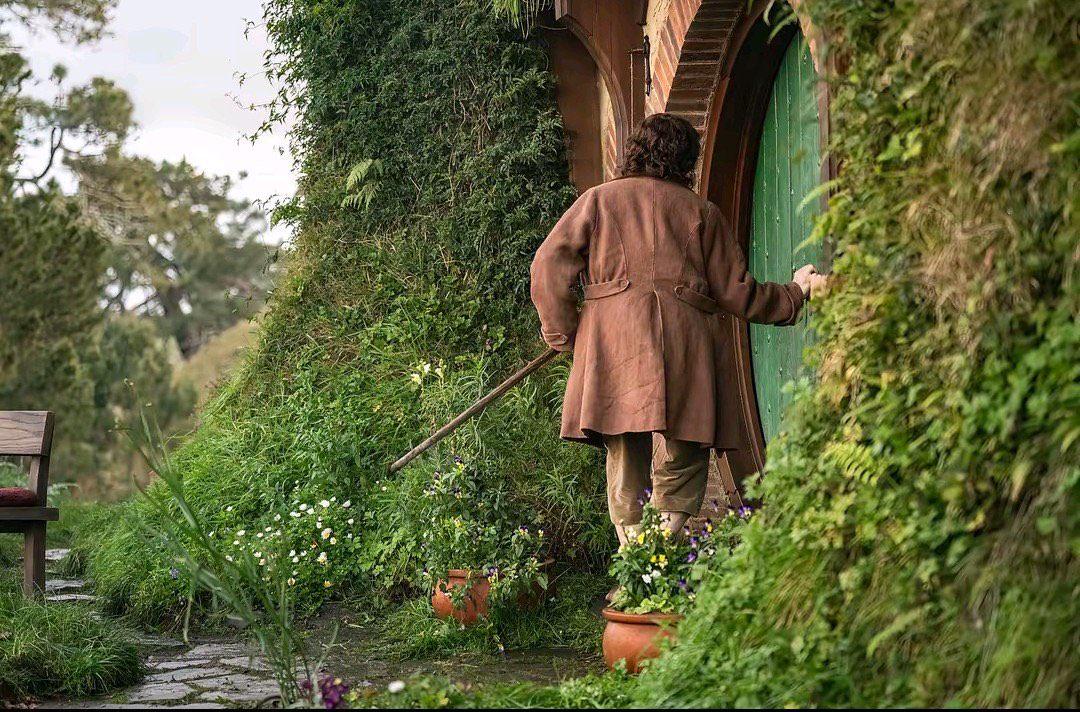
Corridor Crew recently interviewed the top man at WETA, who led the company as they put extraordinary detail into set pieces like dead oliphants and miniatures of Helm's Deep, just in case a fan ever went frame by frame, the detail would more than just hold up. That interview helped me finally find peace with why the Hobbit movies disappointed me: the top guy says that they had NO practical effects. The original LOTR films was ALL practical effects. I had no idea, but my eyeballs were trying to tell me: this is clanker. This does not matter, because it's just slop on a greenscreen. No wonder.
This is not accurate. There was a LOT of CGI in those movies. But CGI is not inherently bad. We have this strange notion that CGI is bad and practical effects are good, but in reality a proper blend between CGI and practical effects is important, and both need to be done well. Poor practical effects will look bad, poor CGI will look bad.
The Hobbit movies looked bad because they were rushed. It was like 6 years lead-time for LOTR vs 6 months for The Hobbit or something. So no time for good practical effects.
I think the biggest problem with high-budget, CGI heavy movies, is that they make the movies backwards when you rely on computer graphics too much.
When you make a primarily practical effects movie, you have to plan out everything before you start shooting. When you make a primarily CGI effects movie, you can shoot, then do the effects later. Also, many primarily CGI focused movies use multiple contractor companies to make the effects, and they never have to talk to each other.
Then you have the issue where the actors don't even need to be in the same room to shoot their parts, cause it's all greenscreened in a soundstage.
I think a movie that's mostly CGI can be great, as long as the same care is taken as a mostly practical effects movie. Do all the planning beforehand, have the actors move around and interact with each other, and physical things. Have the artists involved with the lighting and camera work, so they're all part of the process.
Wasn't it also because a lot of people watched them in HFR initially? There was so much complaining about the "soap opera" effect when the first one came out, but one other downside was it was just easier to spot imperfections with smoother panning.
I may have misunderstood what Sir whatshisbucket said in the interview. Perhaps he was being hyperbolic. I know there is CGI in the original trilogy.
People looking at a literal flaming eye exploding be like "amazing practical effects!"
As I said in reply to another commenter ....
i cant watch corridor crew after they went all in on ai slop