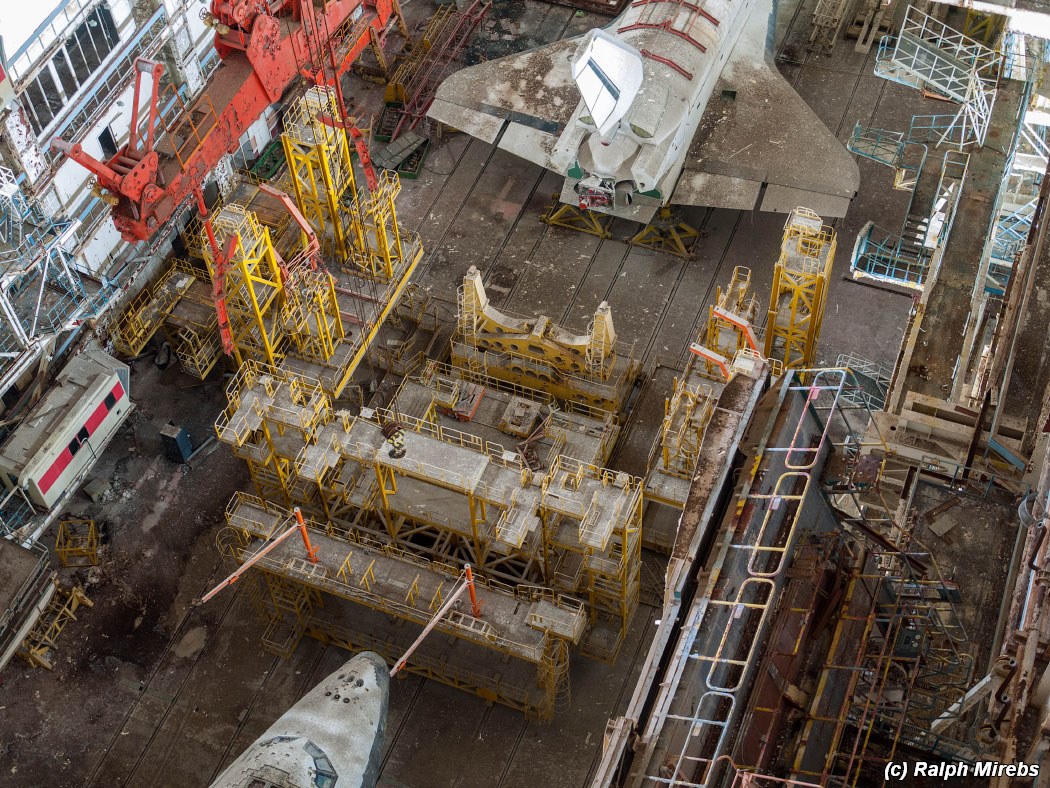
Foreground: OK-MT - a full-scale technological test vehicle. It was used to test ground handling, maintenance procedures, servicing and pre-launch operations. It was never intended to fly into space.
Background: OK-1.02, known as Ptichka - the second flight-capable Buran orbiter. It was approximately 95–97% complete when the program was abandoned. It never flew.

https://cdn.arstechnica.net/wp-content/uploads/2015/06/buran-2.jpg
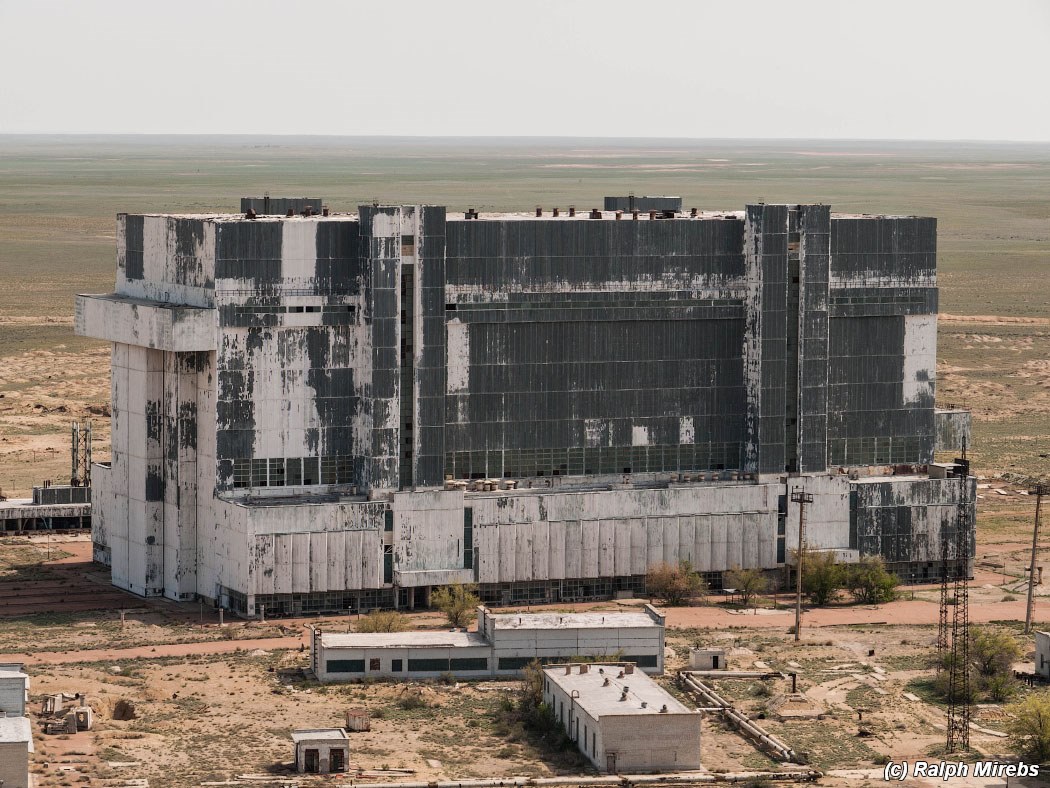
The Soviet Union developed the Buran (Буран, meaning roughly "blizzard") program during the 1970s and 1980s.
It was partly a response to America's Space Shuttle program. The Soviets wanted a reusable spacecraft capable of carrying substantial payloads into orbit.
However, Buran had some important differences from its American counterpart:
- It was launched atop the enormous Energia rocket.
- Unlike the American Shuttle, it didn't have three large main engines of its own.
- It was designed for fully automated flight, including landing.
- Its cargo capacity was comparable to, and in some respects greater than, that of the American Shuttle.

https://cdn.arstechnica.net/wp-content/uploads/2015/06/buran-3.jpg
The most remarkable achievement came on 15 November 1988: Buran completed one unmanned orbital mission, making two orbits around Earth before returning to Baikonur and landing completely automatically. There was no pilot aboard. The entire mission, including the landing, was computer-controlled. It remains the only orbital flight ever completed by a Buran spacecraft.
https://arstechnica.com/cars/2015/06/stunning-images-of-abandonded-soviet-space-shuttles/

https://cdn.arstechnica.net/wp-content/uploads/2015/06/buran-10.jpg
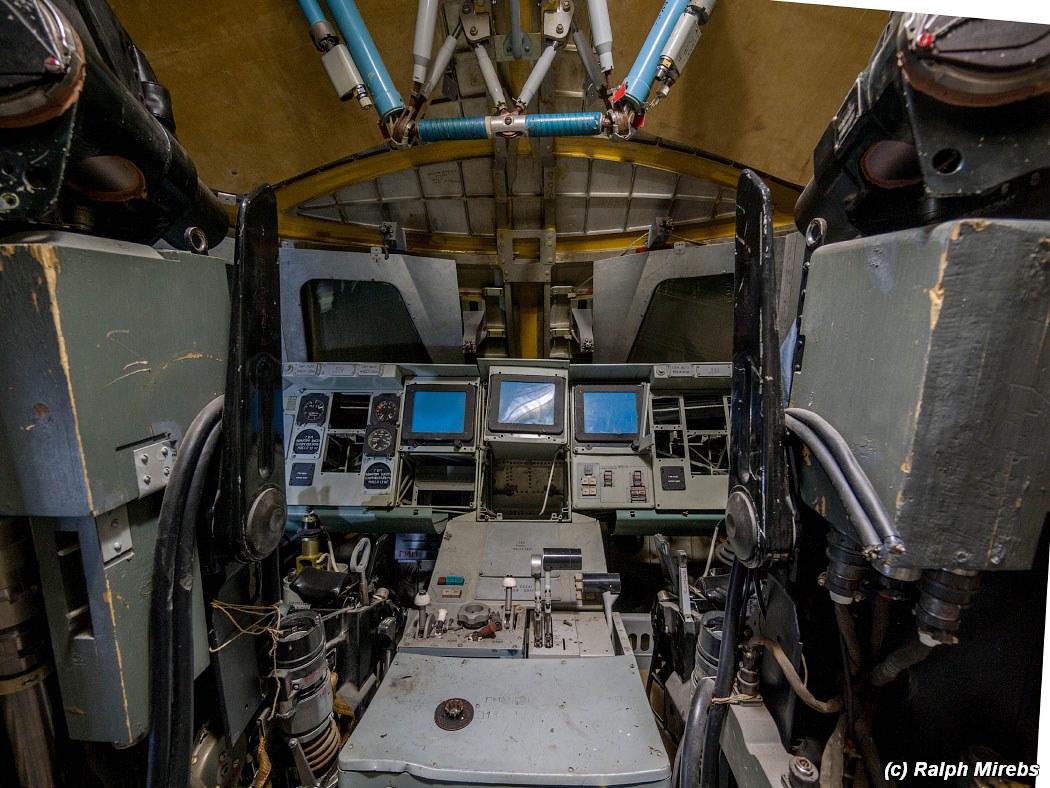
The program was abandoned mainly due to the collapse of the Soviet Union. It was extraordinarily expensive.
Original photographer is Ralph Mirebs.
https://ralphmirebs.livejournal.com/
Another article here:
https://www.nationalgeographic.com/adventure/article/soviet-space-shuttle-kazakhstan-film-science

BURAN NUMBER 1! 100% FLIGHT SUCCESS RATE RAAAAAAHHHH