this post was submitted on 03 Jul 2026
6 points (100.0% liked)

No Stupid Questions

968 readers
1 users here now

There are no stupid questions.

Follow site rules.

Don't be a fascist.

founded 6 years ago
MODERATORS
 

I need to distinguish it from South Dakota "SD" in my spreadsheet because I'm having an SD card shipped to my South Dakota mailing address.

all 7 comments
sorted by: hot top controversial new old
[–] cerebralhawks@lemmy.dbzer0.com 11 points 3 weeks ago (3 children)

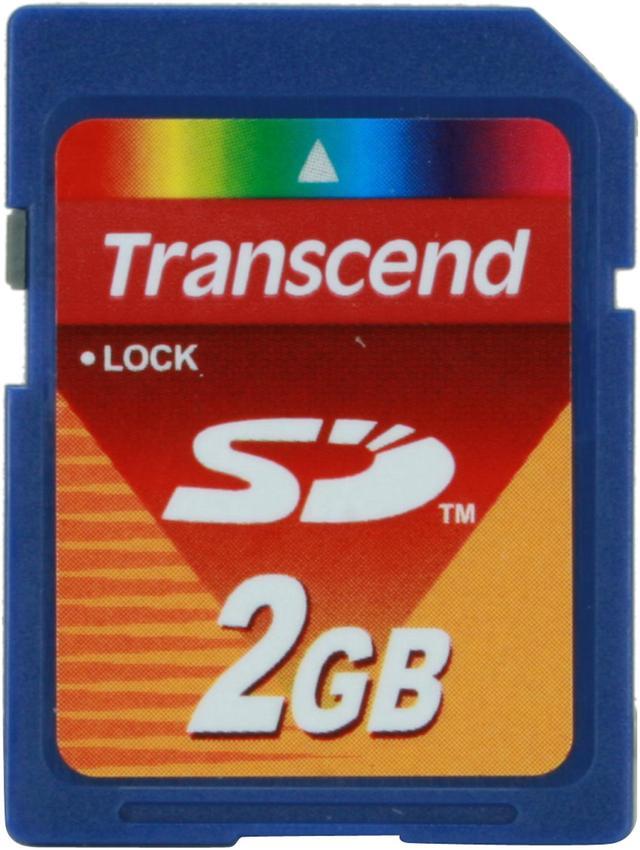
Secure Digital, in reference to the fact that you can flip the switch and secure it. I had to search it to be sure, but that's what I thought it stood for.

Some people think it stands for SanDisk because SanDisk makes them (among other companies). But no. Though SanDisk was involved in creating the format, it never stood for SanDisk... though they may have helped choose the name because they both have the initials SD.
[–] OwOarchist@pawb.social 8 points 3 weeks ago* (last edited 3 weeks ago)

in reference to the fact that you can flip the switch and secure it.

Or ... that's the justification they came up with.

Ever wonder why the 'D' in the logo is a disc, though? ... The "Secure Digital" branding, including the logo, were originally going to be used for an optical disc format that would compete with CD-ROM. With the selling point being the secure part -- DRM-like technologies that would help content distributors do things like region-locking and making it more difficult to copy. They'd already designed the branding and logos and filed for trademarks ... when the project was abandoned. (Likely, they saw CD-ROM dominating the market to such a degree that their competing standard would never take off.) They had invested a substantial amount of money in that branding and trademark, though, so when they started developing the technology we now know as 'SD Cards', they decided to reuse the name, branding, and trademark for this new technology instead.

"Secure Digital" originally meant 'Secure' as in DRM protections. But to make it apply to the next format, they decided to say it referred to the little write-protect switch, like you said.

[–] altphoto@lemmy.today 4 points 3 weeks ago (1 children)

Has anyone ever even used that lever for anything at all? My guess is like 5 people have. Tops. 5.

[–] cerebralhawks@lemmy.dbzer0.com 6 points 3 weeks ago (1 children)

I'd guess it's about the same number of people who used the exact same thing on a floppy disk.

It harkens back to cassette tapes (audio and video). Both had a tab on blanks that allowed recording. There was a pin in the recorder that, if allowed to extend, would prevent recording. So it would hit the tab of the blank and stop, and allow recording. Once you recorded the tape, if you wanted to protect it, you took a screwdriver and popped the tab out. (Again, the same feature existed on audio cassettes and VHS video tapes. But because audio cassettes could flip, there were two tabs, both on the top, one on either end, so you could protect one side but not the other... if you so chose.) The pin was very sensitive, all it took was your basic Scotch tape to cover the hole and unprotect the tape. This was by design. They wanted you to be able to record on the tape if you so desired, so yeah, you could record over a commercial tape if you really wanted to.

The tab on floppy disks and SD cards was a reusable cassette record tab. Nothing more, or less.

You're probably not wrong, though.

[–] Hamartiogonic@sopuli.xyz 1 points 3 weeks ago

Nowadays, you would just set the file permissions to read only. Technically, you could also do it with USB drives and external hard disks too.

[–] Beehaw_Girl@beehaw.org 2 points 3 weeks ago