142
Turning a mini-pc into a WiFi access point
(lemmy.world)
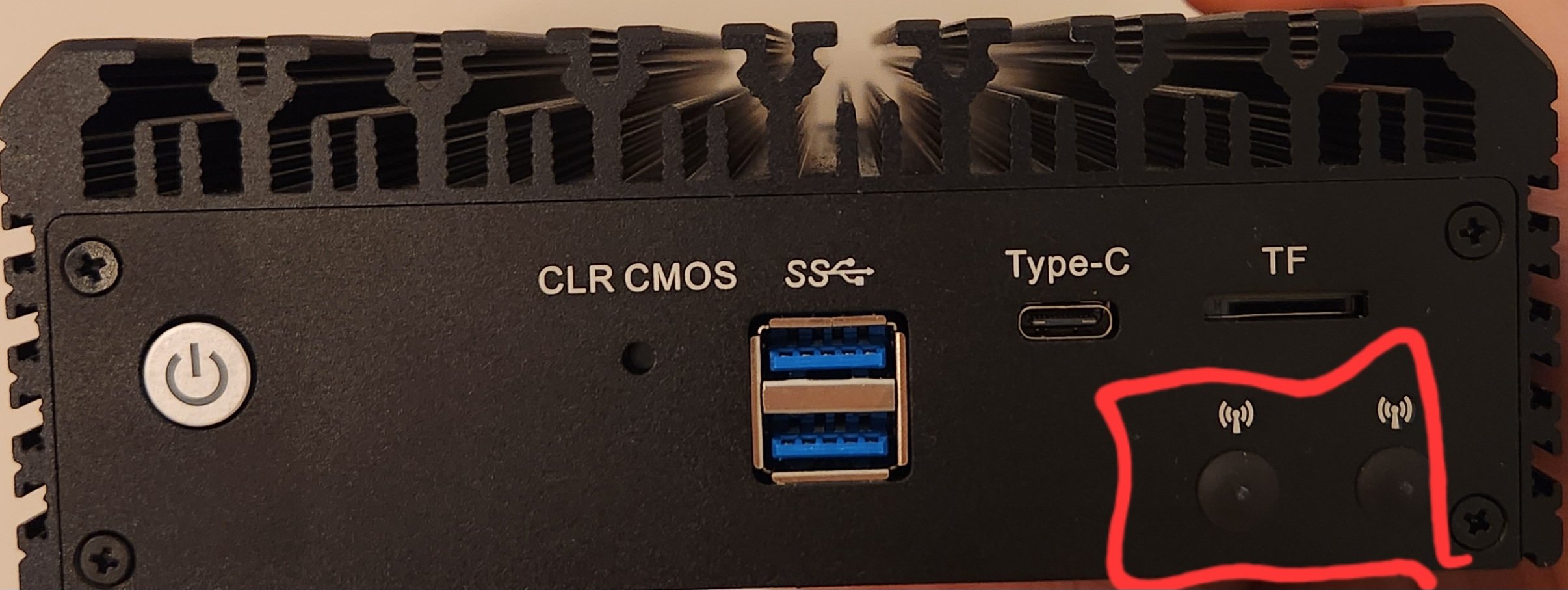
After a hardware upgrade I ended up with a spare mini pc. Noticed these two icons and thought I might be able to use it as a WiFi access point with VLANs using OPNsense.
Is that possible? If so, what do I even need to buy to plug into there?
I don't need it to do any fancy dhcp, dns or firewall stuff, I just need a WiFi access point with support for VLANs.
Nyes?
GL-iNet devices run DD-WRT, with an added (probably not open source) web interface. However, if you ssh into any of their routers, it's BusyBox and DD-WRT. And if you click go into the admin web page and click System->Advanced you end up with a link that takes you to luci, the raw DD-WRT web UI for the device. The company's UI is just a simpler, more pretty UI on top of DD-WRT.
They run a custom version of OpenWRT. However, I would run stock OpenWRT since it is better supported.
@sxan @elyviere In particular, there are two gl.inet models that you can install openwrt on: https://forum.openwrt.org/t/best-newcomer-routers-2024/189050/2
The other models run modified openwrt but don't necessarily allow you to install a stock openwrt release.